
If you’ve ever watched your students light up during a science experiment or gasp at a fun science fact, you’ve seen the power of real-world science phenomena for elementary students at work in the classroom.
Science is a naturally engaging and exciting subject for students. Everyone loves a lab or a hands-on activity, right? Take this natural curiosity a step further by using real-world science phenomena to give students something concrete and authentic to help them anchor abstract concepts we encounter in science.
Let’s explore how to use real-world science phenomena for elementary students to reinforce concepts, increase engagement, and deepen comprehension.
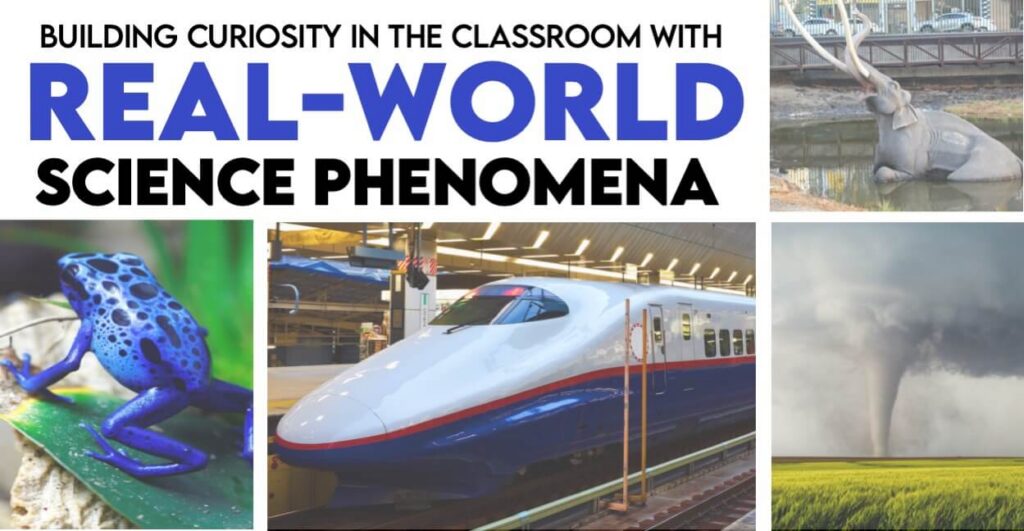
What Are Real-World Science Phenomena?
A scientific phenomenon is an observable event, occurrence, or fact in the universe that can be explained by science. In education, science phenomena can be used to spark curiosity and drive scientific inquiry.
Many science phenomena are natural occurrences like tornado formation, volcanic eruptions, toxic frogs, or identical twins. But science phenomena can also be designed or engineered, such as magnetic slime, Rube Goldberg machines, or hover lawnmowers.
Types of Real-World Science Phenomena in Education
In education, science phenomena for elementary students can generally fit into one of three categories: Anchoring Phenomena, Investigative Phenomena, and Everyday Phenomena.
Anchoring Phenomena serve as a focus for an entire unit of study. For example, to start off a unit about erosion, you might show students images of coastlines over time to demonstrate beach erosion and ask the focal question: How did the land disappear?
Investigative Phenomena are more specific events that provide more context for a lesson or investigation. For instance, while studying magnetic force you might introduce students to Maglev trains and learn more about how they work.
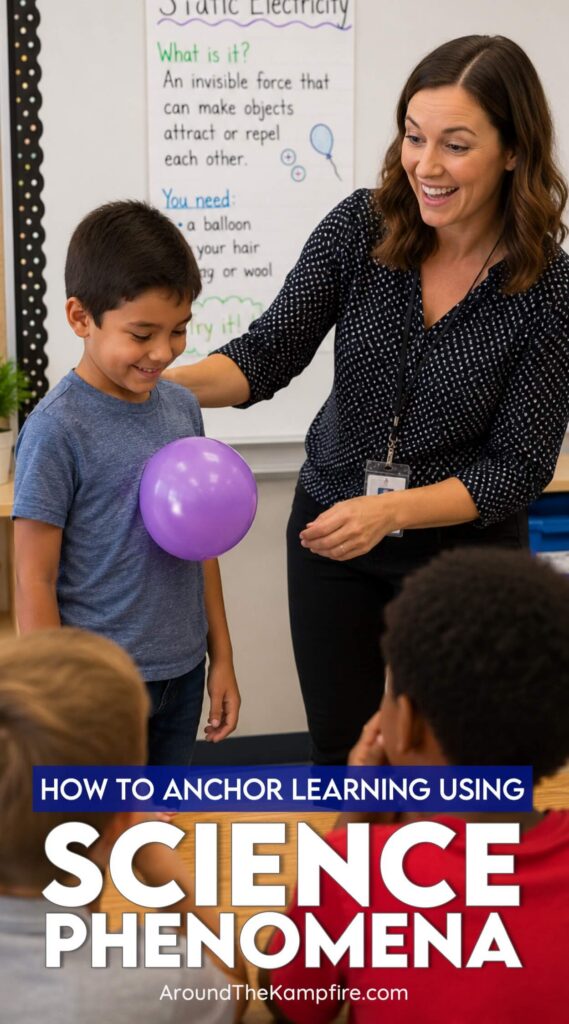
Everyday Phenomena are simple occurrences that students can see in their own lives. These phenomena help connect other phenomena to students’ personal experiences. Examples include noticing ice cubes freezing or melting, steam coming from a pot on the stove, magnets sticking to the refrigerator, or static electricity causing hair to stick up.
Why Real-World Science Phenomena Work in Elementary Classrooms
Real-world phenomena are so effective for elementary students because they:
- Provide meaningful context for abstract science concepts
- Naturally spark student questions
- Increase reading engagement
- Support cross-curricular connections
- Strengthen comprehension through anchored understanding
- Build critical thinking skills
When students can connect a concept to something tangible and memorable, retention increases dramatically.
Examples of Science Phenomena for Elementary Students
There are many different ways to present and interact with these phenomena. Usually, I will embed informational texts about science phenomena into my science units.
Forces & Magnetism
Maglev Trains
Teaching magnetism or forces and motion?
Maglev trains provide a real-world anchor for understanding magnetic forces, repulsion, friction, and energy transfer. Students are immediately curious because floating trains feel futuristic and almost impossible, but this is a real thing!
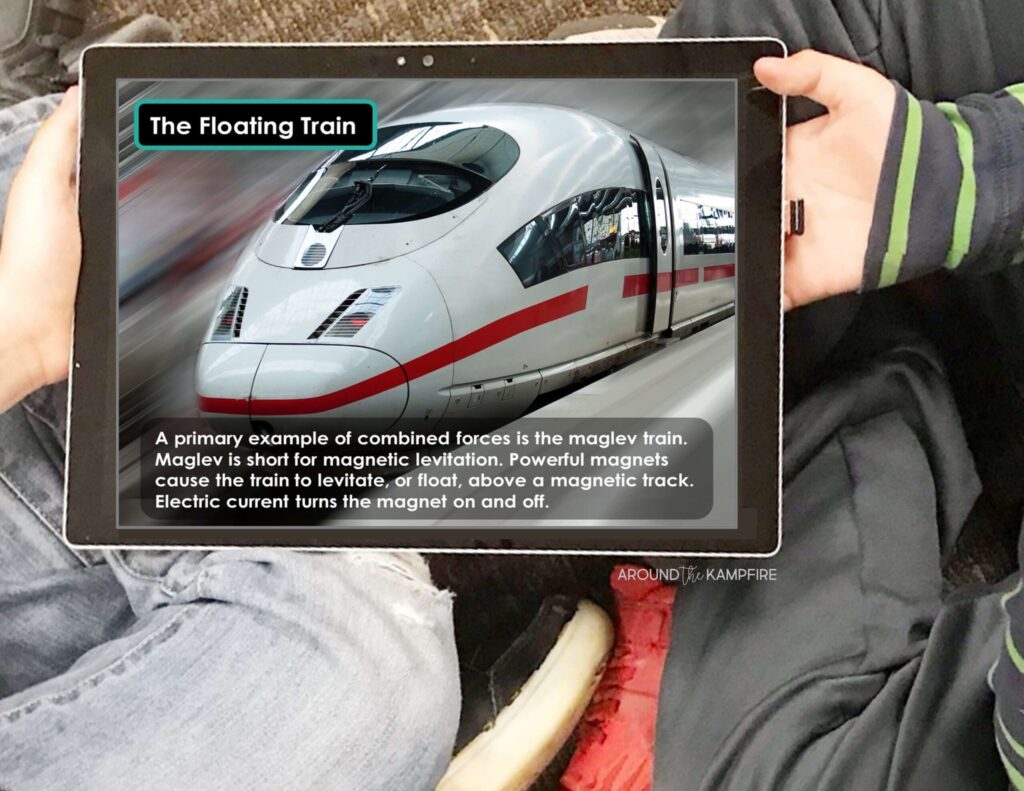
As students read about how powerful magnets lift and propel a train forward without wheels touching the track, abstract vocabulary terms like magnetic fields and electromagnetic force suddenly become more concrete.
A focused science reading passage about maglev trains allows students to:
- Visualize magnetic repulsion
- Connect friction reduction to speed
- Understand energy conversion in context
- Practice identifying cause and effect relationships
Phenomena like this naturally lead to deeper questioning. Hopefully after gaining this knowledge, students start asking more questions, like:
- Why don’t all trains use this technology?
- What are the challenges?
- How does friction affect speed?
Curiosity drives comprehension.
Adaptations & Extinction
The La Brea Tar Pits
During our lessons on fossil formation, my students usually struggle to fully understand the variety of ways animals’ remains can be preserved for so long. They also have a hard time relating the world of the past to the world around us today.
Enter: the La Brea Tar Pits.
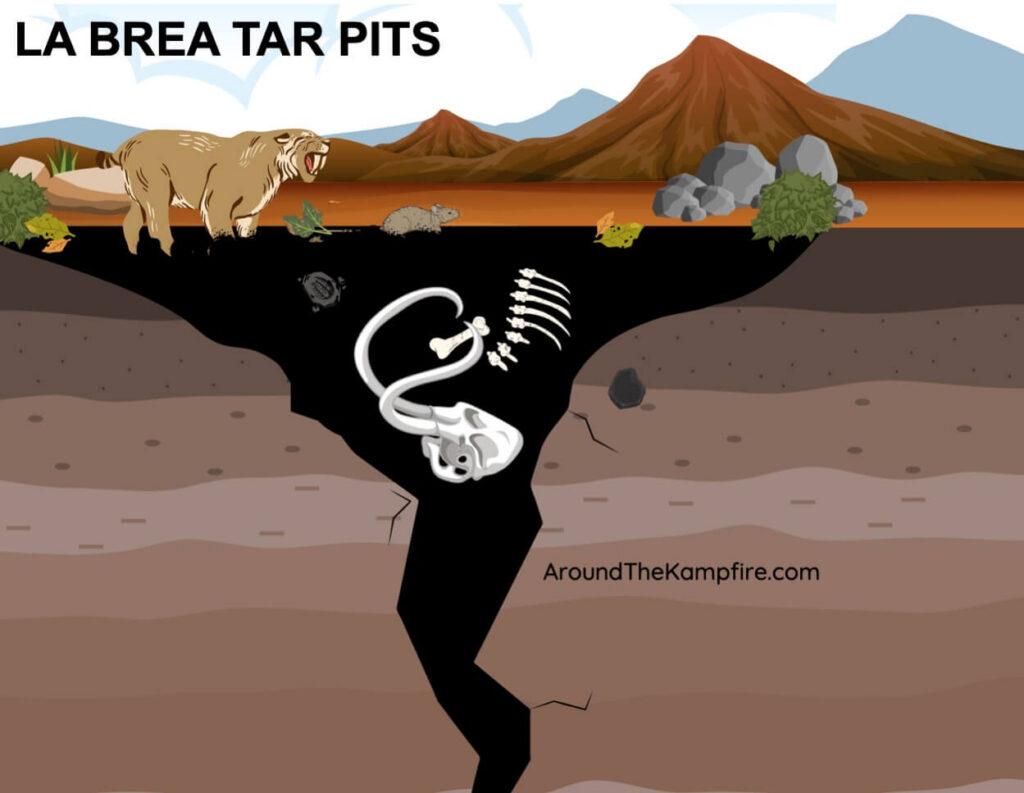
The sticky asphalt pits in Los Angeles trapped animals thousands of years ago, preserving bones that scientists continue to study today. These pits are still active and can be visited right in the middle of the city!
This real-world science phenomenon anchors learning about:
- Fossil formation
- Preservation
- Extinction
- Ice Age ecosystems
Using an informational science passage about the La Brea Tar Pits supports:
- Sequencing skills (how fossils form step by step)
- Vocabulary in context
- Text-based evidence practice
- Cause-and-effect reasoning
I love how this example connects the past and the present, demonstrating that the incredible animals whose fossils are found in the pits walked the same land that we live on today.
This science phenomenon pairs perfectly with a virtual field trip like this one:
Living Fossils
Have you ever heard of a living fossil? It’s an organism that looks almost exactly like its ancestors found in fossils millions of years ago. One example of a living fossil is a horseshoe crab.
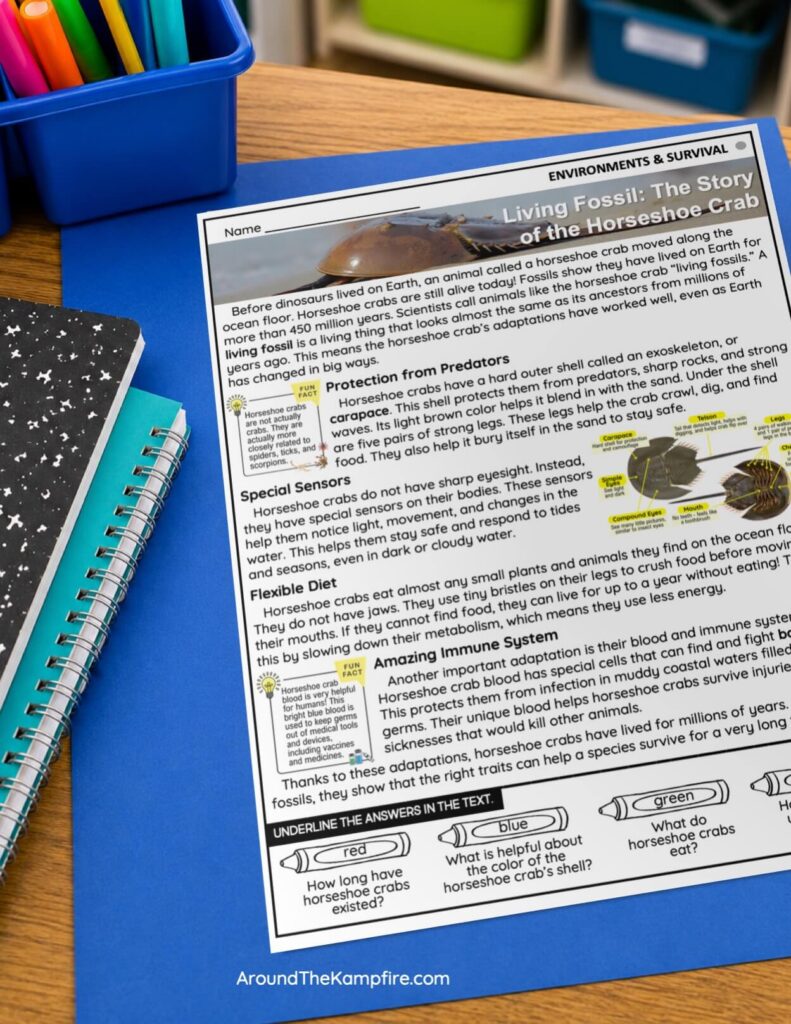
But how have these creatures survived with the same adaptations through the everchanging environment on Earth over millions of years?
When you explore this scientific phenomenon, your students will learn the importance of adaptations suiting specific environments.
Life Cycles & Heredity
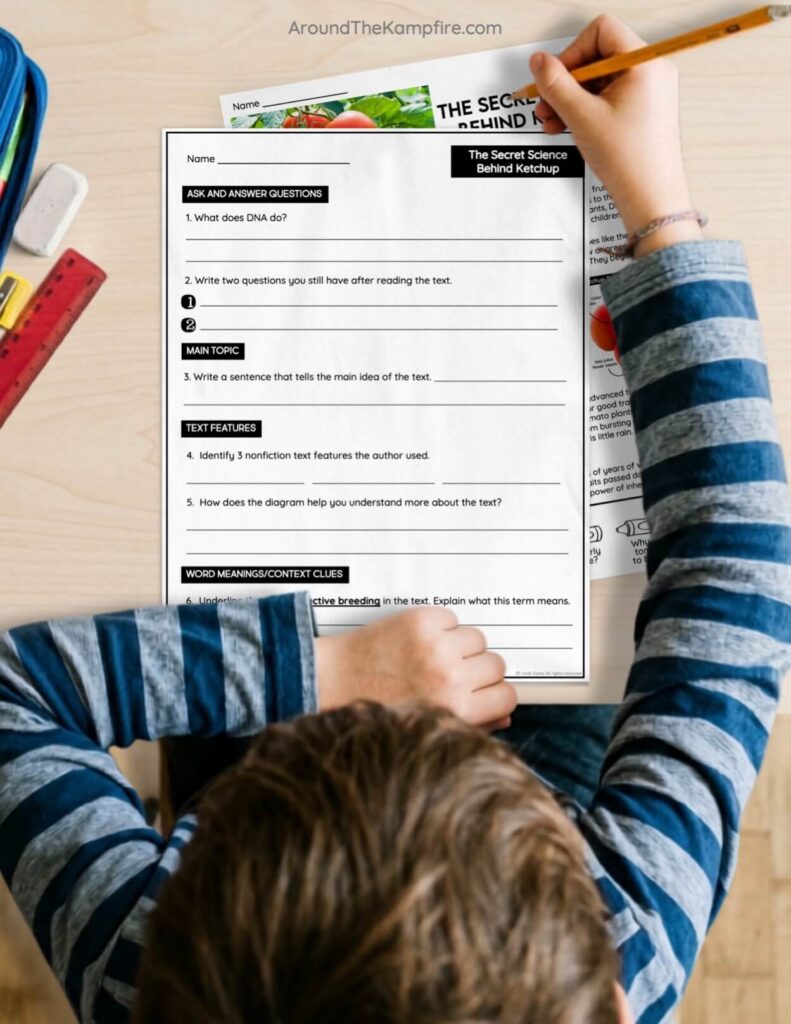
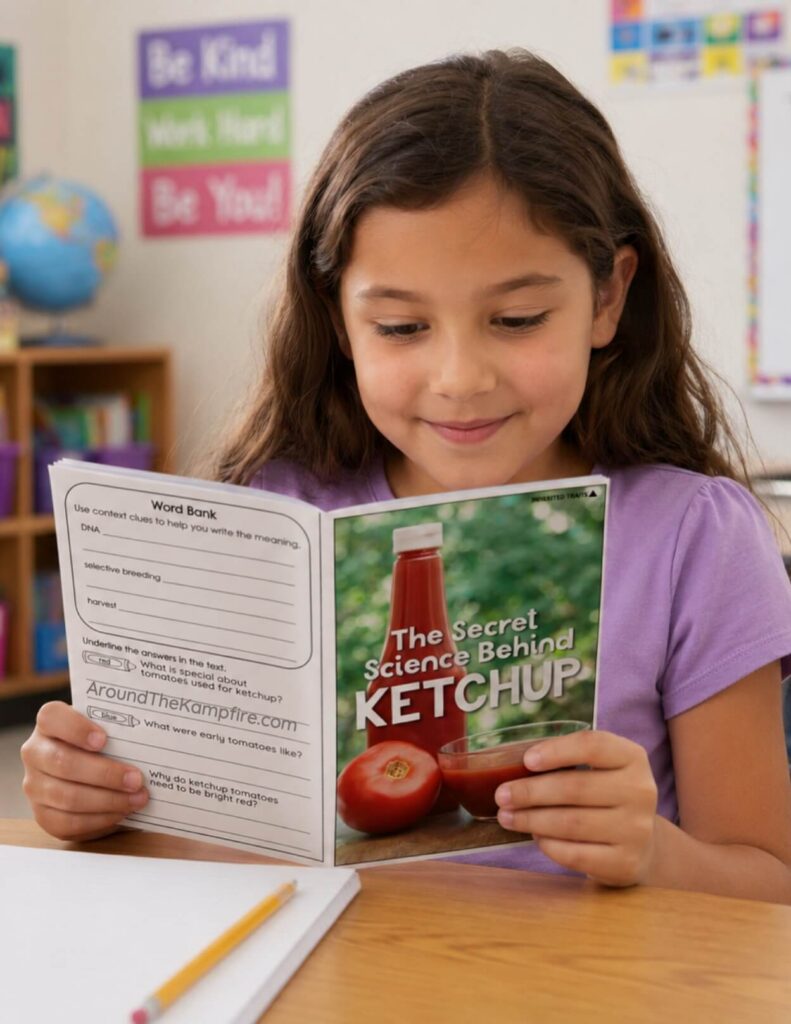
Ketchup Tomatoes
Learning about inherited traits and life cycles can get a little boring for students at times. Terms like DNA and selective breeding are difficult to contextualize since they are abstract.
Make things concrete by introducing students to the secret science behind one of their favorite dipping sauces—ketchup!
Tomatoes have changed in fascinating ways over time, and today scientists and farmers work together to grow the perfect ketchup tomatoes. But what goes into that process? And what is it that makes ketchup tomatoes special?
How did tomatoes go from small, sour, and green to large, red, and sweet? And how do we have so many varieties of tomatoes today?
A topic like this opens the door to cross-curricular learning:
- Economics (supply chains)
- Geography (where tomatoes grow best)
- Engineering (food processing technology)
Real-world phenomena like this are great for creating layered learning opportunities. I’m a huge fan of cross-curricular connections, and my students are, too!
Secretariat
Animal adaptations and inherited traits come alive when students study a champion like Secretariat.
Why was this racehorse so fast? What biological traits contributed to his performance? And how did he get those traits?
Using Secretariat as a phenomenon helps students explore how traits are passed down through generations. It’s also a perfect example to demonstrate nature vs. nurture.
Follow up with a hands-on inherited traits activity to continue to build on students’ understanding in this area.
Hemingway’s Polydactyl Cats
Most cats have 5 toes in front and 4 in the back, but many cats on Ernest Hemingway’s estate famously have six toes. Hemingway was given once given a polydactyl cat as a gift. His former Key West home is now populated by nearly 60 polydactyl cats that are descendants of the original cats.
This helpful video gives more information about polydactyl cats and it also touches on how they are inherited:
I’m sure you can see why this phenomena is perfectly aligned with an inherited traits unit. Start with the question: Why do some cats have six toes? and let the exploration begin!
Weather & Climate
Snowflake Formation
Most people know that all snowflakes are unique. And science explains why!
So, how do snowflakes form? How does temperature affect their shape? And how do snowflakes help scientists?
The science of snowflake formation anchors learning in the water cycle, changing states of matter, and different types of weather.
Learning about snowflake formation also opens the door to other topics and cross-curricular connections:
- Math (Geometric patterns and symmetry)
- Manufacturing & Engineering (Crystal formation can be studied to understand semiconductors, lasers, diamonds, etc.)
- Visual Arts
Disappearing Puddles
Rain causes puddles to form one day, but days later those puddles are gone. Where do they go? The answer lies in the fascinating phenomenon of Earth’s water cycle.
The water cycle is a major topic to cover in elementary science, and there’s lots of ways to go about teaching it. I incorporate informational texts that include diagrams of the water cycle, teaching slides, and hands-on activities and experiments in my lessons on the water cycle. There are also a lot of helpful videos to explore this phenomenon as well.
This is a phenomenon that students can observe in their everyday lives, so it really makes science lessons relatable and concrete.
How to Use Real-World Phenomena in Your Classroom
Here’s a simple structure you can use:
1. Start with a Compelling Question
Pose a phenomenon-based question before reading:
- How can a train float?
- How do animals get trapped for thousands of years?
- Why do some tomatoes grow better than others?
- What made Secretariat faster than other horses?
2. Anchor with an Informational Text
Provide a high-interest, grade-appropriate science passage that explains the phenomenon clearly. Texts that include:
- Academic vocabulary in context
- Clear explanations
- Cause-and-effect relationships
- Diagrams or descriptions
- Text-dependent question sets
are especially effective for introducing and reinforcing content knowledge while strengthening literacy skills.
I use differentiated versions (for example, multiple Lexile levels) to ensure all students can access the same phenomenon while working at their own reading level.
3. Reinforce the Core Concept
After reading, explicitly connect the phenomenon back to your science standards. For example:
- Magnetism → Maglev trains
- Fossilization → La Brea Tar Pits
- Inherited Traits → Ketchup tomatoes
- Adaptations → Horseshoe crabs
This makes the phenomenon the anchor for their learning.
4. Continue to Investigate the Core Concept Hands-On
Follow up and continue learning by incorporating a hands-on lab or activity that focuses on the same core concept the phenomena centered around.
This way, students can see for themselves how these concepts work in other scenarios and answer further questions.
Try some of these science experiments that build essential skills to get some ideas, and browse the store to find more real-world science phenomena activities.
Why Informational Texts Amplify Phenomena-Based Learning
In previous posts, I’ve mentioned that research supports the integration of science and literacy in elementary classrooms.
While videos and demonstrations are also powerful components in science lessons, informational texts provide some additional benefits:
- Opportunities for close reading
- Academic vocabulary development
- Evidence-based discussion
- Integration of science and literacy standards
- Structured comprehension practice
High-interest, standards-aligned informational text sets built around real-world science topics make it easy to integrate this approach consistently throughout the year.
Building a Classroom Culture of Curiosity
Incorporating real-world science phenomena into your science instruction motivates students to ask more questions, make deeper connections, and retain more content. They start to see science happening all around them.
A floating train. A prehistoric tar pit. A bottle of ketchup. A record-breaking racehorse.
Science is not separate from the real world. It explains it!
By anchoring your lessons in authentic, fascinating phenomena and reinforcing them with engaging science informational texts, you create a classroom where curiosity drives learning and concepts stick.
Because when students see science in the real world, they start seeing themselves as scientists!
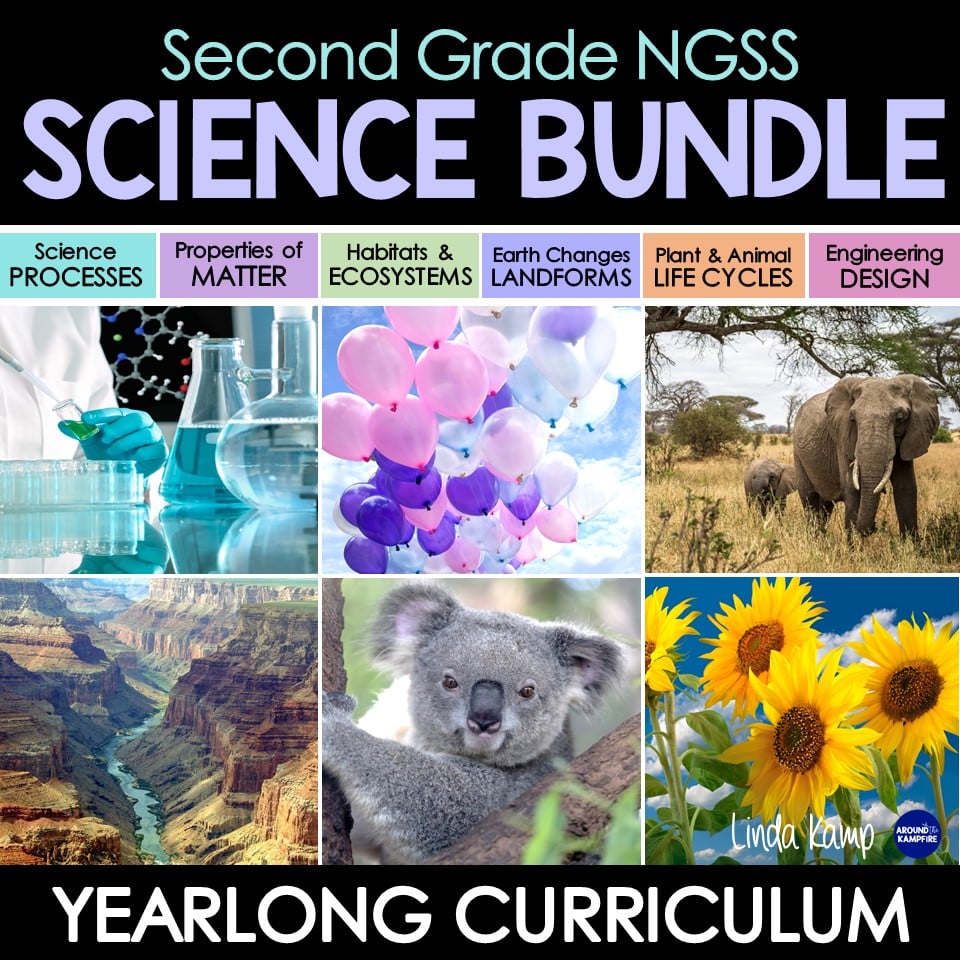
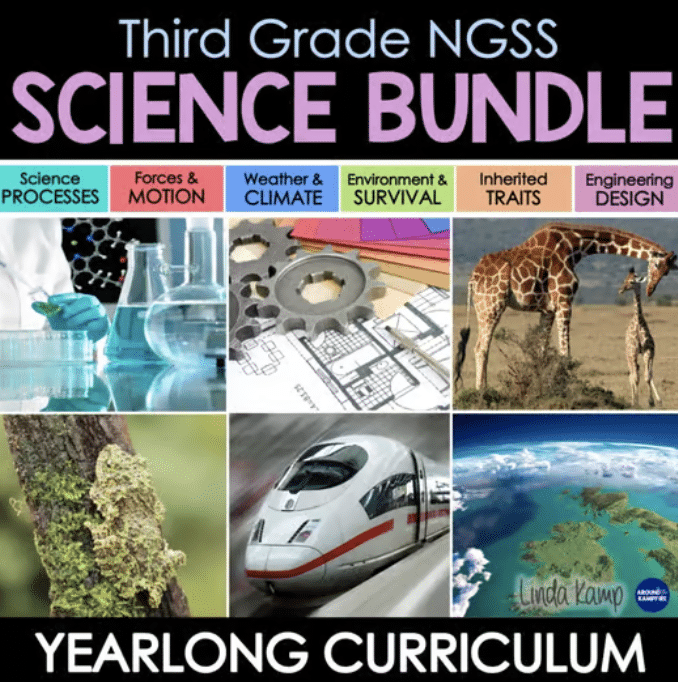
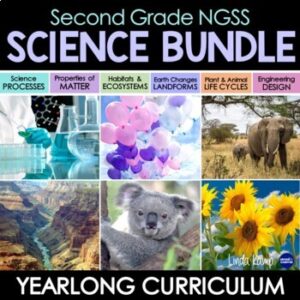
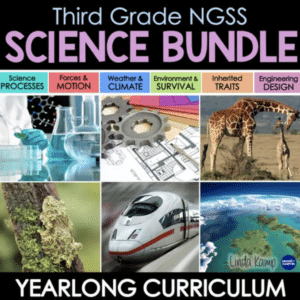
2nd and 3rd Grade Science Curriculum
Get complete ready to teach science units with lesson slides, labs, student workbooks, science centers, videos, and detailed, scripted lesson plans for both second and third grade:
Be sure to save this post to come back to when you’re planning your real-world science phenomena units and lessons!






Leave a Comment