
Learning how to use context clues to determine the meaning of unfamiliar words can be a tricky concept for third grade students. We teach students that there are five things to look for and do when encountering unknown words. Here’s how to teach 5 types of context clues with helpful examples!

What are Context Clues?
Context clues are clues in the text that readers can use to determine the meaning of unknown words. Often context clues can be found in the text around the unknown word. There are five types of context clues that students should look for to help them determine the meaning of a word or to better understand what they are reading.

5 Types of Context Clues and Examples
| Type | Signal Words | Example |
|---|---|---|
| 1. Definition: When the meaning of the unknown word is directly given in the sentence. | means, or, is, are, called | At atlas is a book of maps and charts. |
| 2. Examples: When examples of the unknown word are given in the sentence or sentences around the word. | such as, for example, like | The story was full of fictional creatures, such as unicorns, dragons, and mermaids. |
| 3. Synonyms: A word that means the same thing as the unknown word is given in the sentence. | also, like, same, similar, too | Just like her caring sister, Allie is very compassionate. |
| 4. Antonyms: A word that means the opposite of the unknown word is given in the sentence. | unlike, but, however, different, in contrast | The house across the street may be valuable, but this one is worthless. |
| 5. Inference: The meaning of the unknown word is not explained, so you have to look around the word for other clues and hints in the sentences. | No signal words. You just have to read carefully and use logic. | The storm kept Tim up all night. When morning came, he was still drowsy. |
How to Teach The 5 Types of Context Clues
One of the easiest strategies to teach context clues is to model a self-questioning approach. The strategy I have found to be most helpful for students attempting to use context clues is to teach them to ask specific questions about unfamiliar words they encounter while reading.
- What information comes before or after the word that might give me a hint about the word’s meaning?
- How is the word used in the sentence?
- What part of speech is the word?
Teach students to reread the sentence and decide how the word is used. Next, direct students to ask themselves if the word is an action word (verb) , a describing word (adjective), or the name of a person, place, or thing (noun). Knowing the part of speech can sometimes clarify the meaning of unknown words.
Develop a Weekly Routine
We know that sticking to a consistent weekly routine helps students feel confident and successful as they learn new skills. Each day builds on the last, giving them plenty of chances to explore and apply the skill in different ways.
The following is the weekly routine for all grammar and language lessons as well as when teaching context clues:
Monday is a focused mini-lesson using teaching slides and whole-group practice to set the stage. On Tuesday, students team up with a partner to dig deeper, and I check in with a quick exit ticket to check for understanding.
Wednesdays are for hands-on learning with center tasks that let students move, talk, and practice using context clues in interactive ways. By Thursday, we shift into a real-world application where students identify context clues in our reading.
Finally, we close out the week on Friday with a short assessment to see who’s mastered the skill and who might need a bit more support.

Keep Practice Activities Consistent
In addition to having a consistent weekly schedule, it’s also helpful to use consistent activities each week. When students are familiar with the activities and know what to do, you can spend less time explaining directions and more time practicing the skill.
That consistency allows me to fit grammar into short, focused 10 to 15-minute chunks each day (as we all know grammar can sometimes be the first to go in your daily schedule). Familiar activities mean smoother transitions, better focus, and more meaningful learning in less time.
Use Visuals and Teaching Slides
No matter the subject, it’s important to use a variety of formats when delivering information. I’ve created teaching slides with lessons for every 2nd grade grammar and language standard and as well as lessons and activities for all 3rd grade grammar and language standards.

Complete Word Sorts & Other Grammar Games with Task Cards.
With the help of simple task cards, students can play lots of different grammar games. An easy game is to tape task cards around the classroom and have students roam the room to answer the questions on the cards. Students can easily work independently or with a partner.
To make the game more challenging, have students sort the task cards based on the specific type of context clues (definition, example, synonyms, antonyms, or inference)

Practice the Skill With a Passage
In all third grade grammar units, I use a Grammar Gazette article (a kid-friendly news story) to help students apply the skill. While reading the passage, students determine the meaning of unknown words in a story about Mount Rushmore.

Shop This Post

Shop This Post

Books and Videos to Help Teach Context Clues
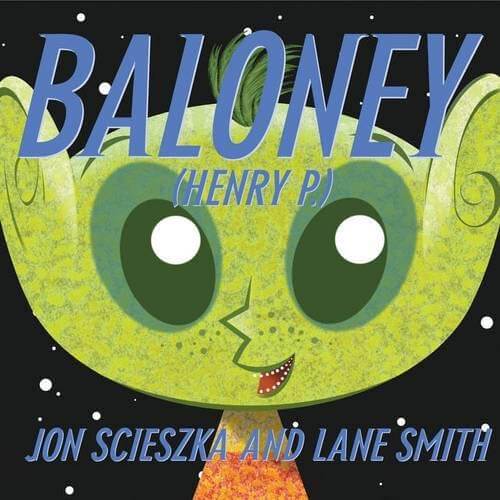
1. Baloney (Henry P)
By Jon Scieszka and Lane Smith
This is my go-to mentor text for introducing context clues. Baloney is a fun story that centers around Henry, an alien kid who needs to come up with an excellent excuse for being late for school.
Throughout the story, Henry uses alien vocabulary words surrounded by different types of context clues. Students have so much fun determining the meaning of the crazy words!
2. The Boy Who Loved Words
By Roni Schotter
This story’s main character, a boy named Selig, is an avid word collector. He wants to find his life’s purpose and a reason for his love for all of these vivid words, so he goes on a journey.
After helping a poet along the way, Selig realizes that his purpose is to spread these wonderful words to others. This text contains a ton of great, enriching vocabulary, which makes it an excellent choice for teaching context clues!

3. The Word Collector
By, Peter H. Reynolds
Similarly to the text above, The Word Collector follows Jerome’s journey of collecting words from various adventures. Students can use the illustrations as clues to determine the meanings of the new words.

4. Gumption
By Elise Broach
Gumption! is a fun picture book that follows Peter and his Uncle Nigel on an adventure through the jungle.
After reading Gumption out loud, I like to have students point out context clues to help us determine the meaning of the title.
And, as always, I like to connect this one to social-emotional aspects to show the importance of persistence through challenges.

5. 4 Types of Context Clues for Kids
It can be especially frustrating for students when they come across a word that they haven’t seen before. This video does an excellent job of explaining the 4 types of context clues in an in-depth way.

6. Context Clues (Mind Blooming)
Like the above video, this short video does a great job explaining the different types of clues at a lower level. It’s also animated and just over 3 minutes long, so if you are short on time its a great supplement!

See more of my favorite books and videos to help teach context clues!
Second and Third Grade Grammar Unit

Third grade context clues grammar unit (source)
I hope you were able to find some helpful tips and ideas for teaching context clues to your students! If you would like to save even more time planning your grammar lessons, be sure to check out my complete context clue unit (available for both 2nd grade AND 3rd grade!)






Leave a Comment