
In kindergarten and first grade, much of the focus is on phonemic awareness, phonics, and decoding skills. These teachers are professionals at building the foundation children need to read. By the time students reach second and third grade, our role shifts to helping these early readers grow into confident, fluent readers.
The goal is to move them beyond that slow, “robot voice” and into smooth, expressive reading. Here are four key fluency skills your students should master, along with practical strategies to help you teach them!
Why Is Fluency Important?
It goes without saying that becoming a fluent reader is crucial for future success. When students grow in their fluency, they are shifting from reading to decode to reading to understand. This allows them to spend more time focusing on the content of what they are reading vs. just the words.
As your students’ fluency skills increase, everything becomes a bit easier. They can now understand their math story problems, can respond to the social studies passage, and can read for enjoyment (my personal favorite win).

4 Main Fluency Skills
Fluency can be broken down into four main skills. Below you’ll find the details about each!
1. Accuracy
Accuracy is the ability to read words correctly without guessing or skipping. It depends on strong phonics and decoding skills, as well as a growing sight word vocabulary. When students read accurately, they can trust what they’re reading and better understand the text. Word ladders are a fun way to build fluency skills, practice sound substitution, and work with word families.

2. Speed/Rate
Rate refers to how quickly and smoothly a student reads. It’s not about racing through a passage (a common misconception) but finding a pace that is natural and allows for understanding. Some of my best readers will read at a pace that is slow and steady, but still can comprehend everything read.
Developing an appropriate reading speed helps students keep the flow of the text and improves overall comprehension.

3. Expression
Expression, or prosody, is how readers use their voice to bring the text to life. This is my favorite part of watching students become fluent readers, as it is so fun to hear their excitement as they read.
This includes using proper intonation, rhythm, phrasing, and even pausing at the right spots. Reading with expression shows that a student understands the meaning behind the words and is engaged with the story.
4. Comprehension
Comprehension is the ultimate goal of fluency and means truly understanding what is read. It can also be the most difficult to obtain.
Fluent readers can think about characters, events, and ideas rather than focusing only on the words. Strong comprehension skills turn reading into a tool for learning and enjoyment.
Fluency Strategies
Now that we’ve chatted about what it means to be a fluent reader, you may be asking yourself how you can best support your students on this journey. I’m sharing my 10 favorite fluency strategies that will be simple for you to incorporate into your reading block!
1. Read Alouds
Read-alouds are POWERFUL for countless reasons, and oftentimes overlooked as a tool for teaching fluency. By modeling accuracy, prosody, and an appropriate speed, students can transfer this to their own reading.
When reading books out loud, it’s important to also model your comprehension by asking questions throughout the text. “Hmm, I wonder why this character is feeling sad?” The questions don’t always need to be answered, but it shows your students a glimpse inside a reader’s brain.
2. Repeated Reading
Although simple, repeated reading is a research-based practice that is great for improving fluency. Repeated reading is just as it sounds: it’s the process of rereading a short text over and over again until automaticity is achieved.
3. Partner Reads
Partner reads are always a fan-favorite in my classroom. Students get to work with peers to practice reading a passage or book. The peer can help if a partner gets stuck, which can provide a less stressful reading environment for the student.

4. Choral Reading
On the contrary, choral reading is not always a favorite. However, it can be very effective with your struggling readers. Choral reading is when a group reads the same text in unison.
I like to use choral reading during my guided reading groups as a part of our first read. I will typically read the line alone first, then we will choral read together, and then I will choose a student to read the same line independently.
5. Readers Theater
I absolutely love incorporating readers’ theater into my classroom. It’s a fun way to practice all four skills of fluency, and the kids forget they are even learning (every teacher’s goal).
6. Pre-teach Vocabulary Words
When children encounter too many unfamiliar words, they often stop, stumble, or guess, which interrupts their flow and makes it harder to understand the text. This can also lead to complete frustration.
By introducing key vocabulary ahead of time, teachers remove those roadblocks so students can focus on accuracy, rate, and expression.
7. Sight Word Practice
When I first started teaching 2nd grade, I will admit that I overlooked the importance of sight word practice. Now, I incorporate sight word games and drills into centers, small groups, and homework, and I have watched my students’ fluency skills grow more than ever.
8. Word Mapping
Word mapping is a great way to build phonemic awareness and enhance your students’ decoding skills.
Using word maps, students learn to make connections between speech sounds (phonemes) and the letter, or letter combinations (graphemes) that represent them.
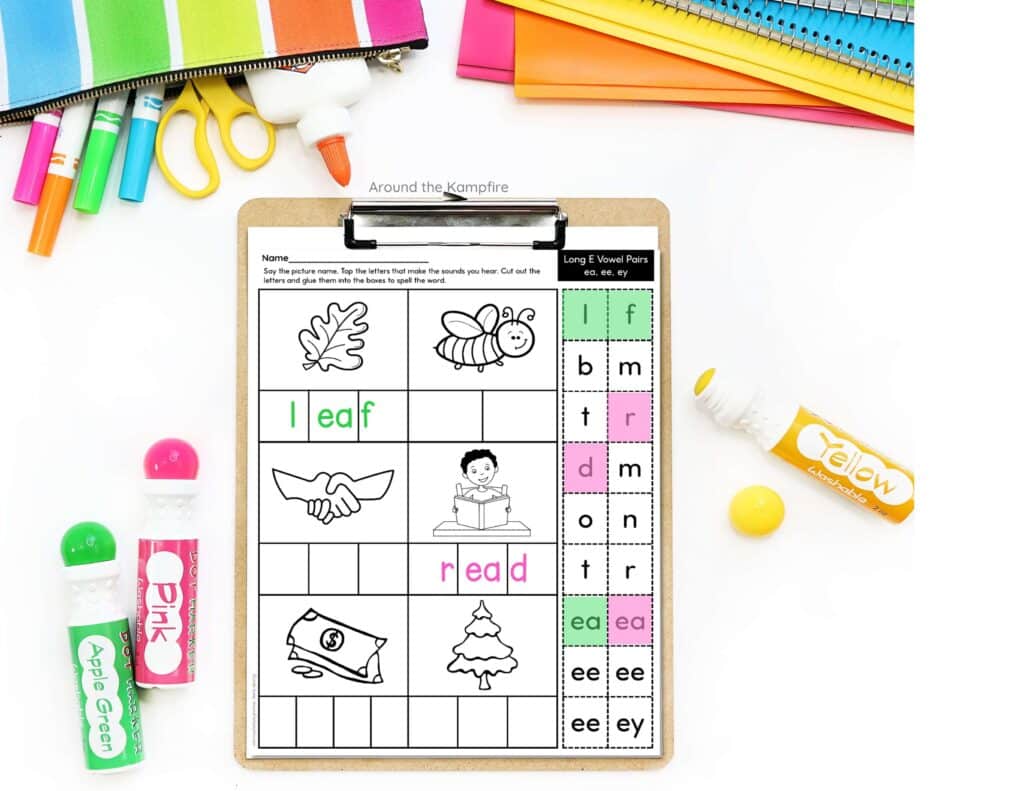
Using this strategy helps students understand that written words are made up of smaller sounds, and that each sound can be represented by an individual letter or group of letters.

9. Stress-free Environment
Fluency practice can sometimes be associated with stress and fear. Who remembers the anxiety that came with those timed reads? We all know that students learn best when they feel comfortable and safe.
By using different combinations of these fluency strategies and fun reading tools, you can help to make learning fun and stress-free.

Fun reading anchor charts (source)
10. Tracking Fluency
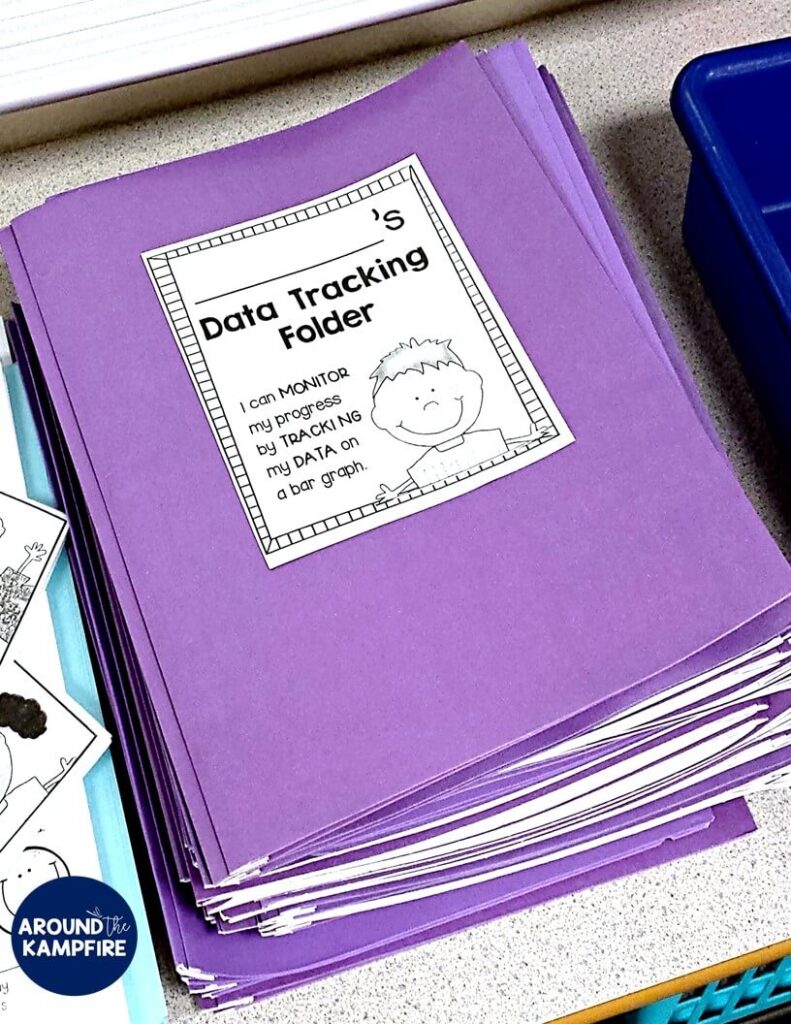
Goal-setting is a game-changer in the classroom! When students feel ownership and pride in their learning, their growth will soar. To support students in monitoring their progress, make a data folder for each student where they can track and watch their growth.

Free Data Folder Fluency Graphs

Want to make tracking student progress easier and more meaningful? Grab this FREE Student Data Folder Kit and give your students the tools to set goals, track growth, and celebrate success!

Free Data Folder Fluency Graphs
👇Get your free kit today!


Inside, you’ll find data pages to track spelling, math, and reading fluency. Plus, fun cover pages and guided questions to help teach your students to understand the data. Grab the graphs today to use with your students tomorrow!
I hope you’ve found this post helpful and will try some of these strategies and activities to boost your students’ fluency skills. Learn how to manage data folders in your classroom in this blog post. It’s easier than you think!

Read this post to learn how to use word ladders in your classroom to boost your students’ reading fluency.

Happy reading!




Leave a Comment