
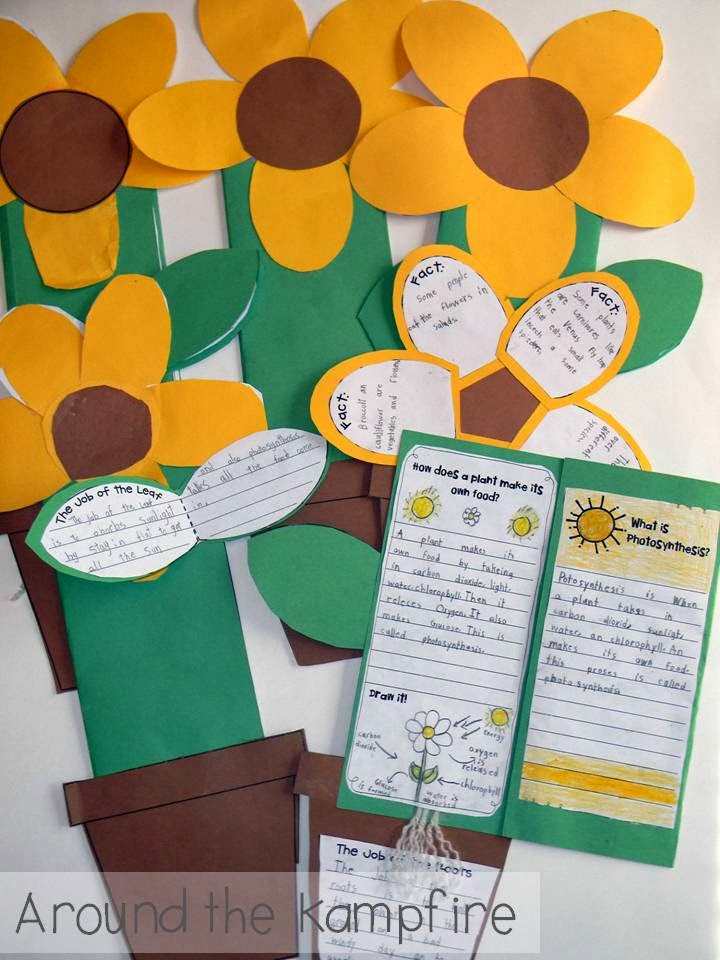
Our plant life cycle activities are always a highlight of our year! We spend most of our fourth quarter studying the life cycles of plants, butterflies, frogs, and meal worms. It’s one of my most favorite times of the year and one that my kiddos really look forward to! Our end of the year open house falls during this time and we made these flower booklets from my Life Cycle of Plants unit to showcase our plant study.
However, we had few glitches! It was crazy-time there for a few days! Toward the end of our plant study our butterfly larva (aka little tiny caterpillars) arrived about two weeks earlier than expected! (glitch #1!) We couldn’t exactly put those on hold so we were double dippin’ back and forth between plant parts and chrysalis craziness!
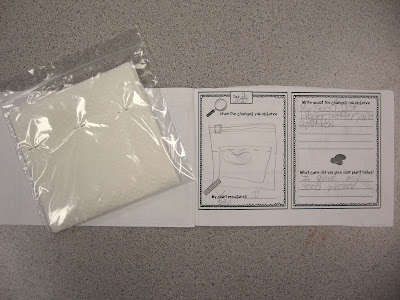
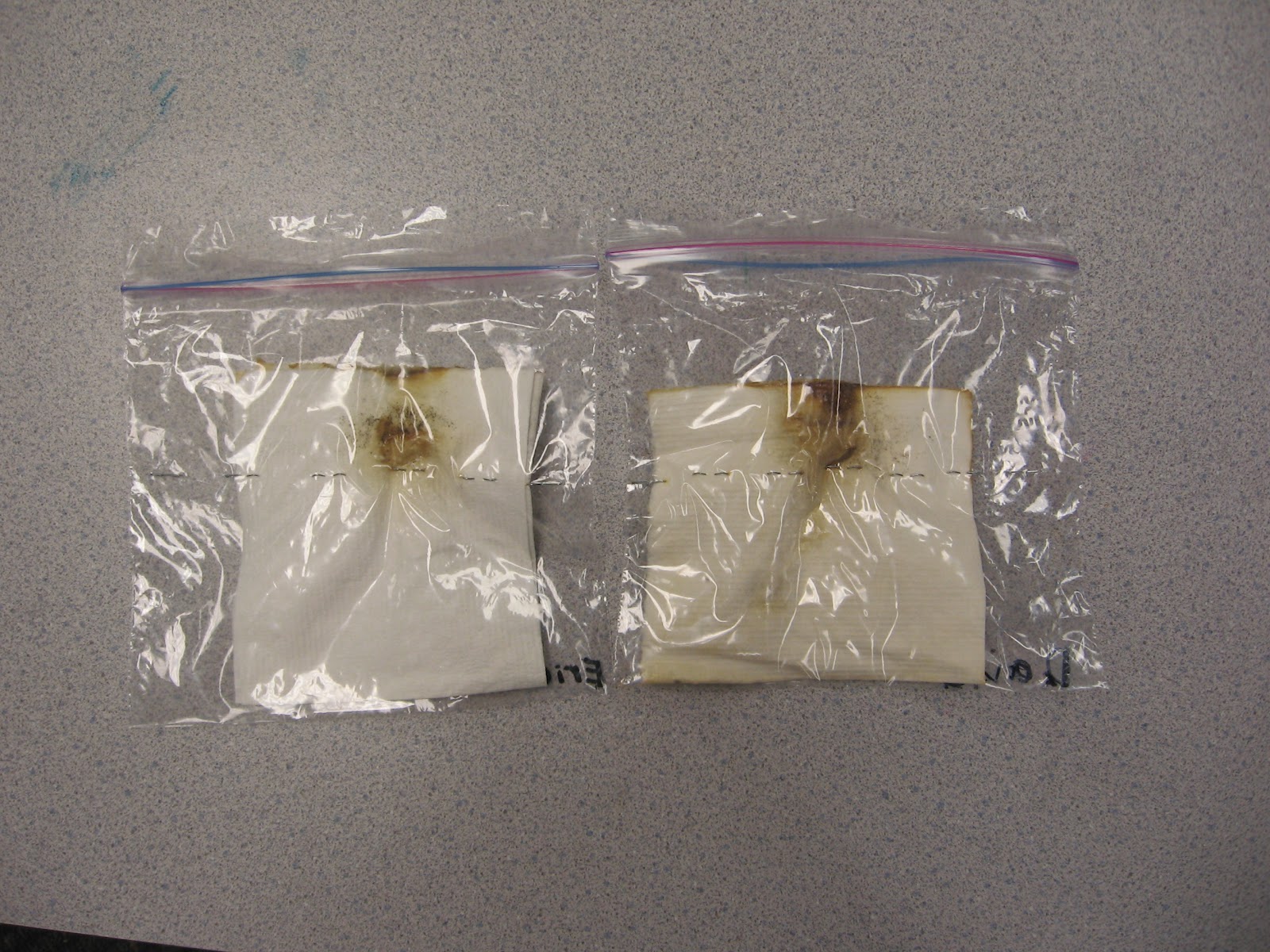
We started out with a parts of a seed lab, observing, writing and comparing predictions about what we would find inside of our seeds. We then opened them, checked our predictions and labeled the parts. Next, we tried to germinated bean seeds. We put lima beans between damp paper towels inside a baggie and began observing, measuring and recording in our plant journals.
After a couple of days we got this and had to start over! (glitch #2)
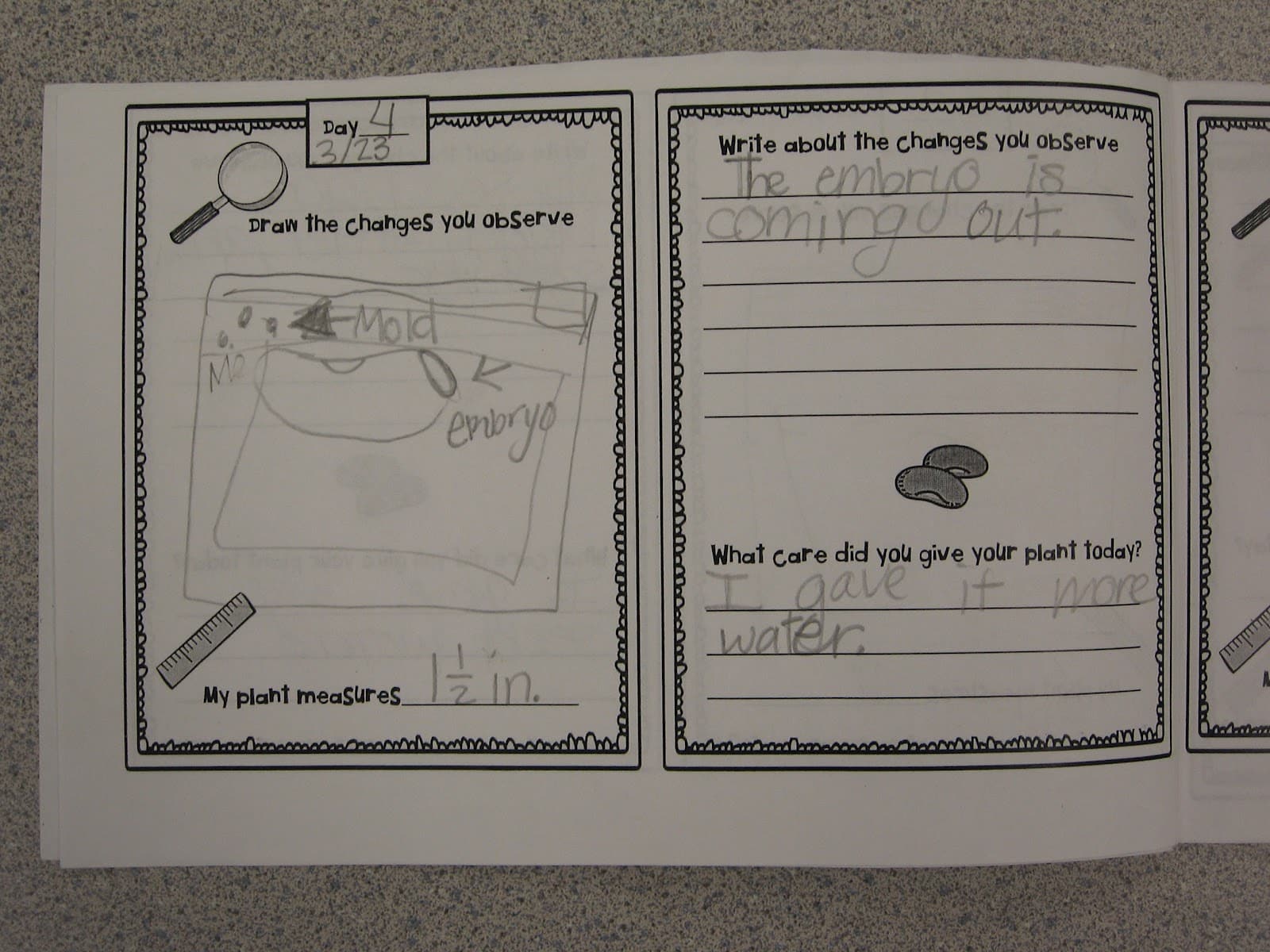
I love how this student included the mold in her diagram!
We labeled diagrams of plants and wrote about the job of each plant part. We also
focused on the process of photosynthesis, then did a little expository writing
about how a plant makes its own food.
focused on the process of photosynthesis, then did a little expository writing
about how a plant makes its own food.
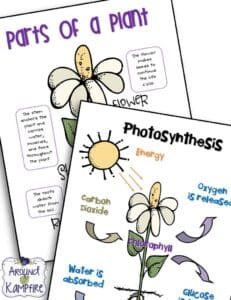
You can grab a copy of these charts in my TPT shop {HERE}
Throughout the unit we read several nonfiction books about plants, used thinking maps to label the parts of the whole, categorize the parts we eat, and illustrate the stages of the life cycle.
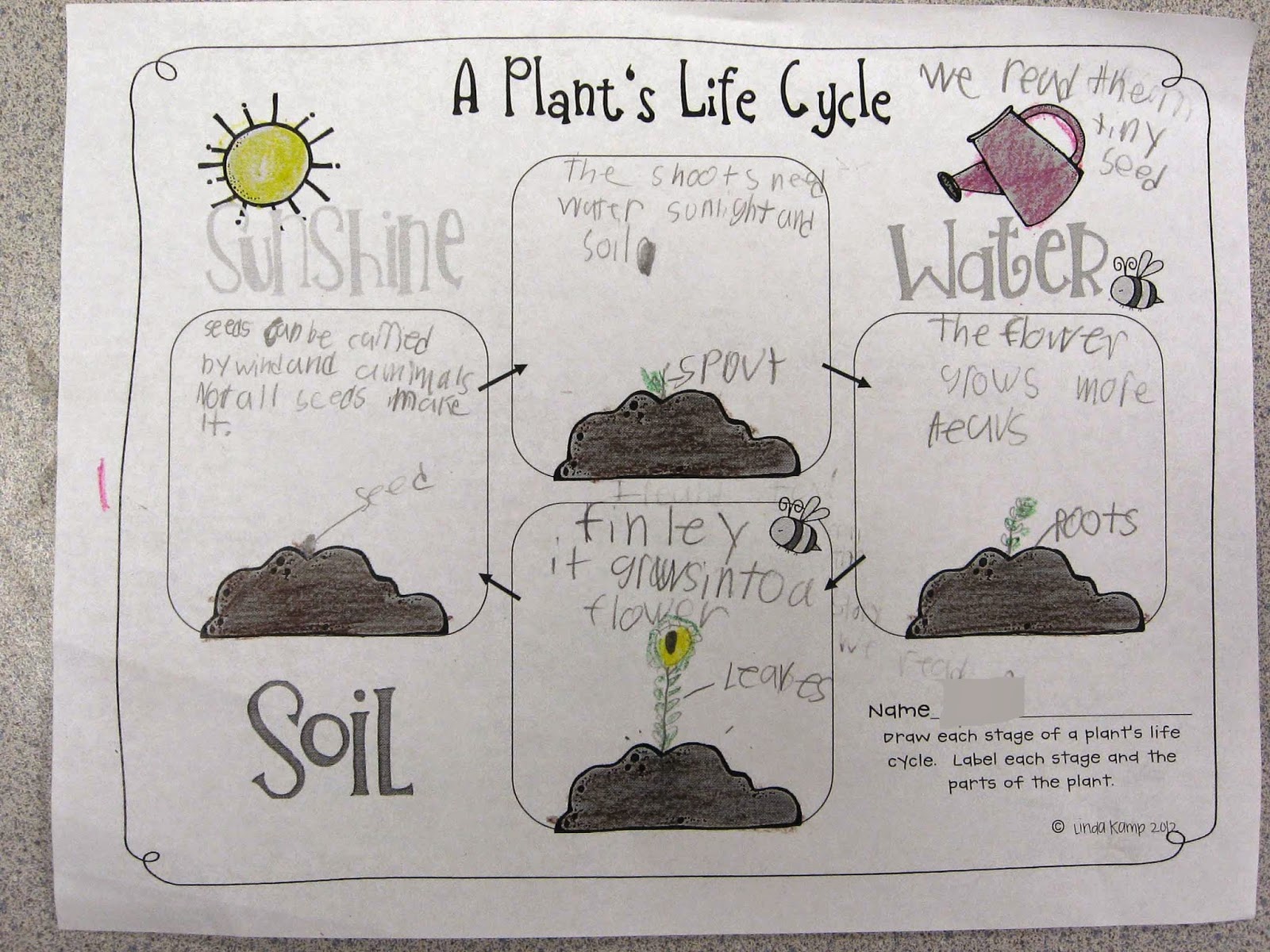
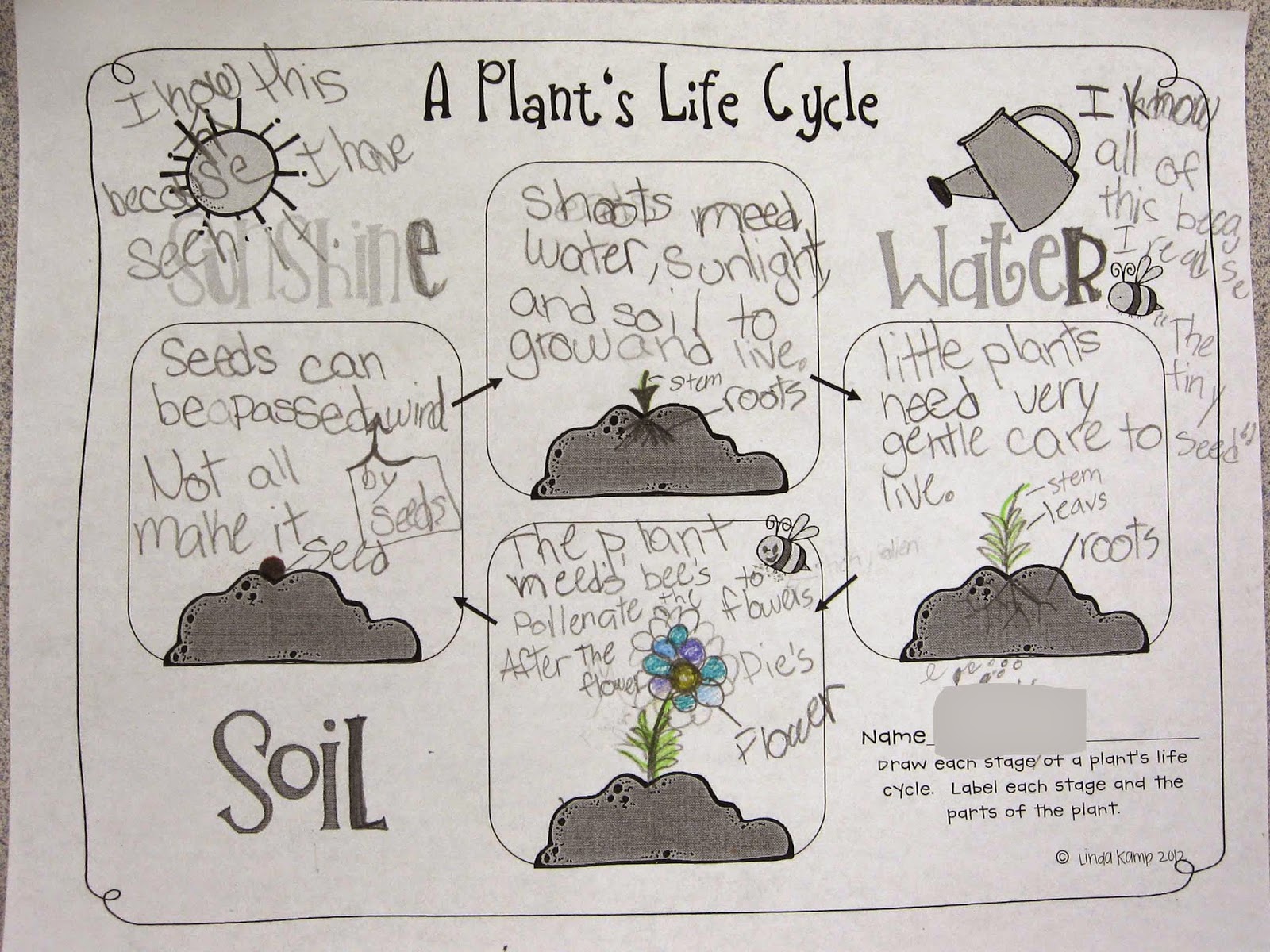
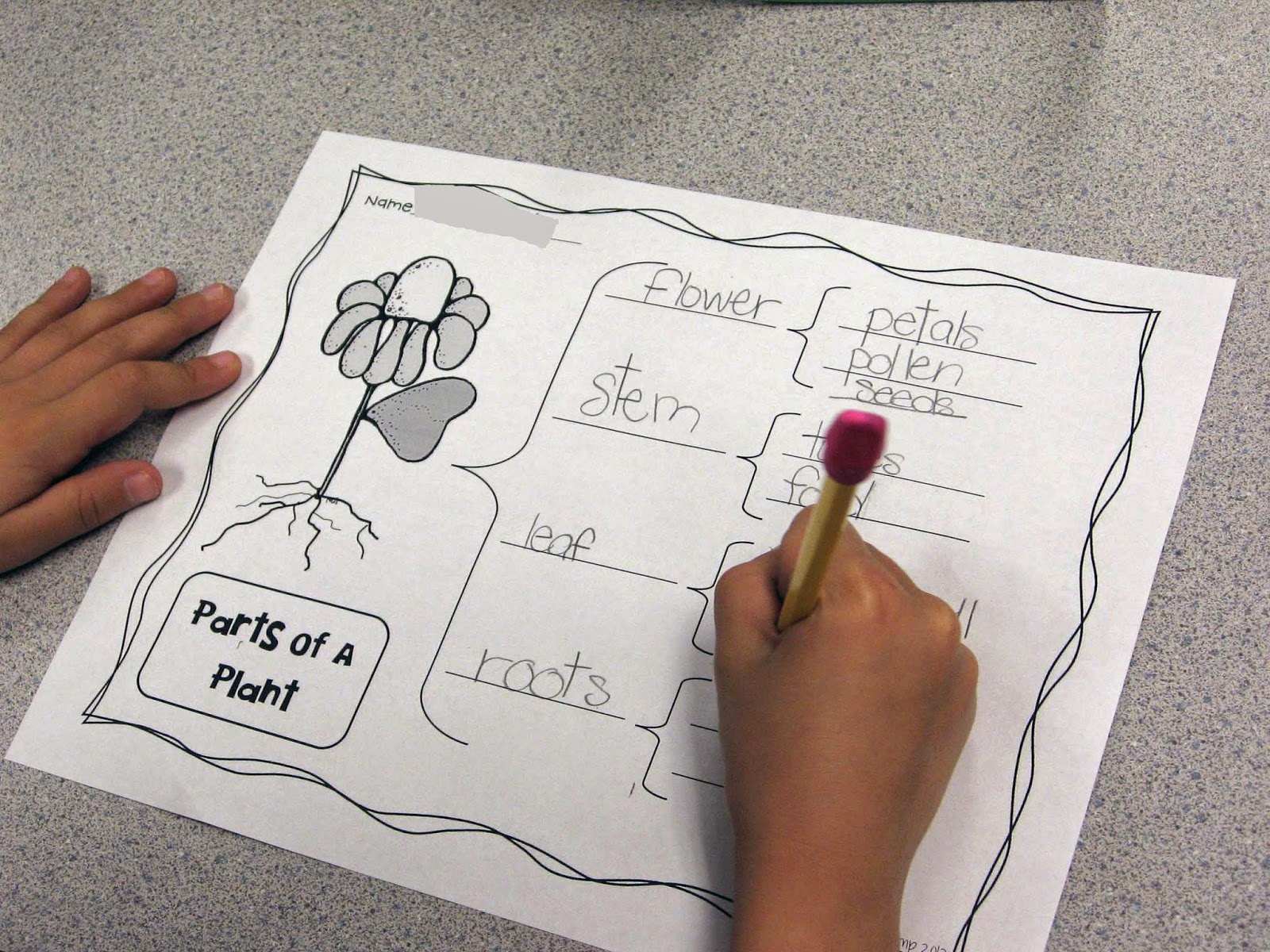
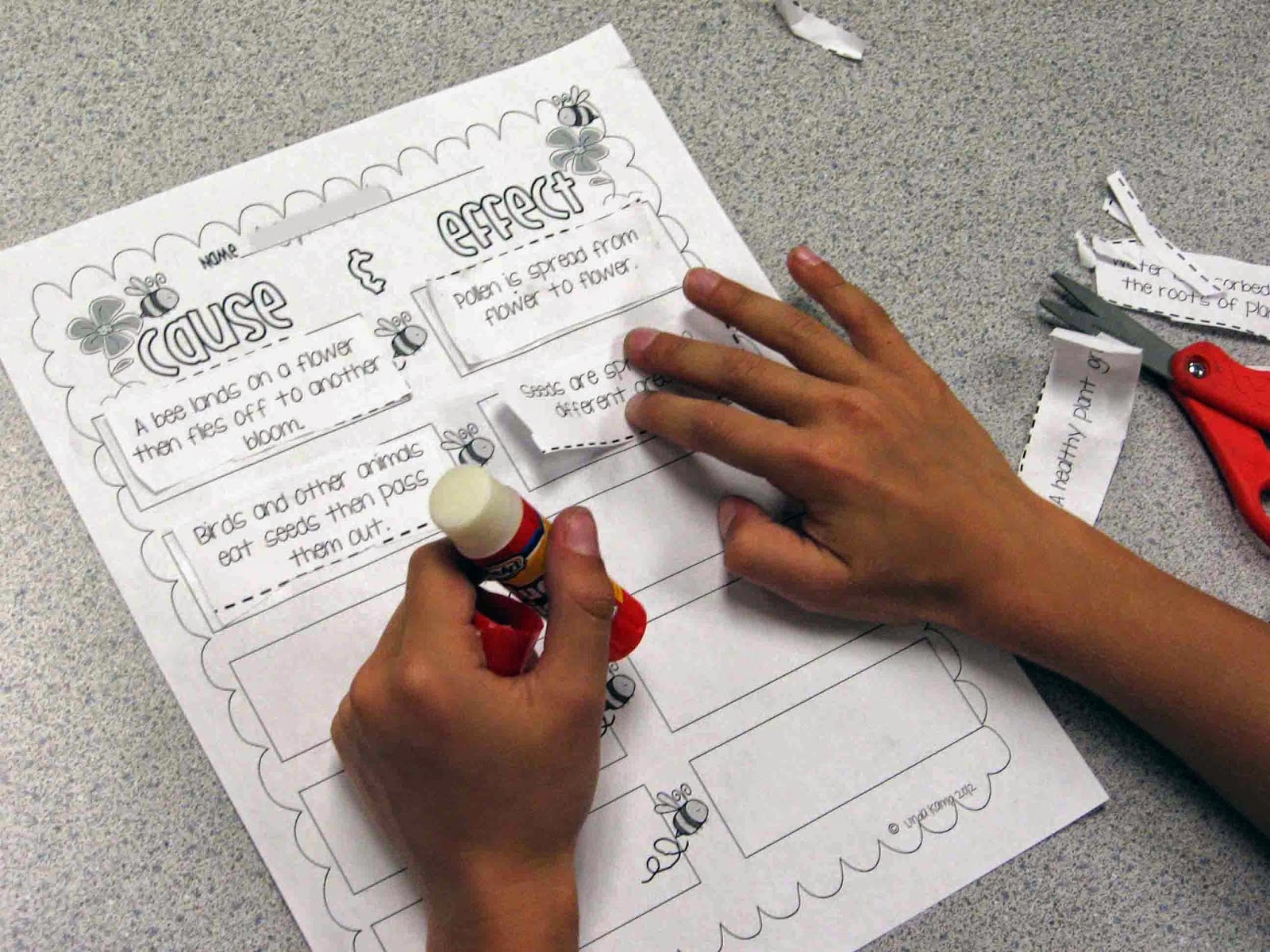
We also incorporated some comprehension strategies with
this little cause and effect activity.
this little cause and effect activity.
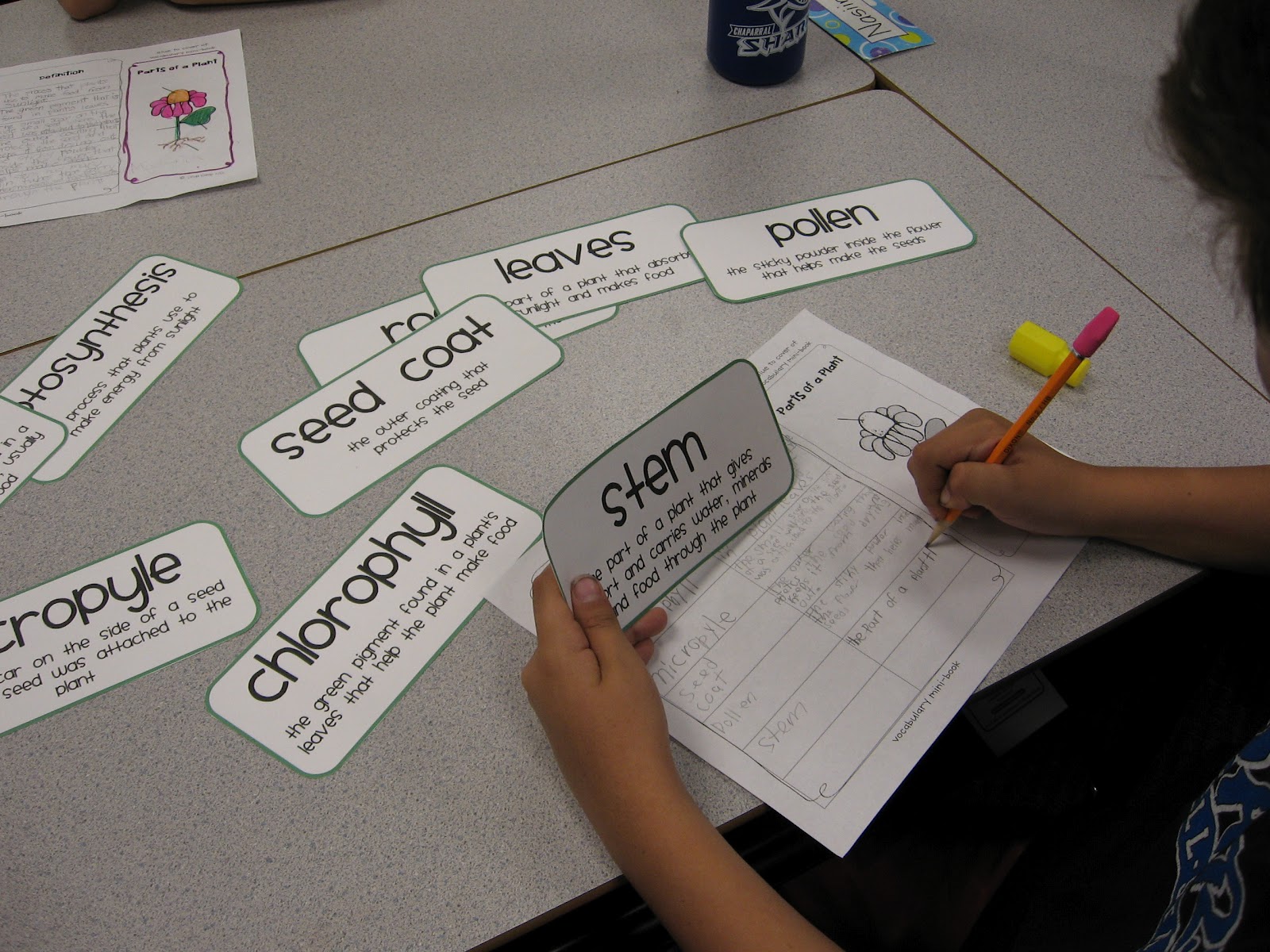
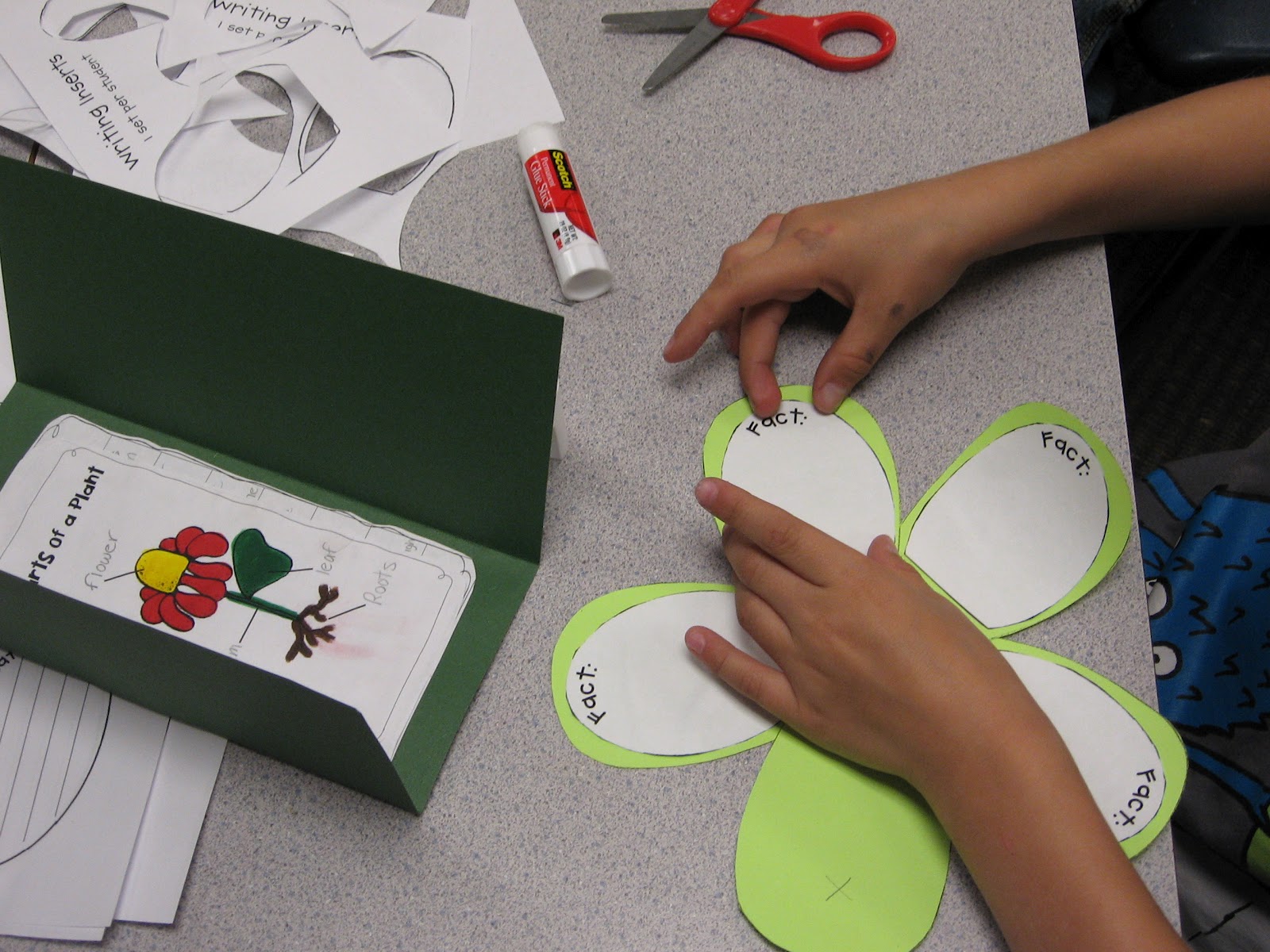
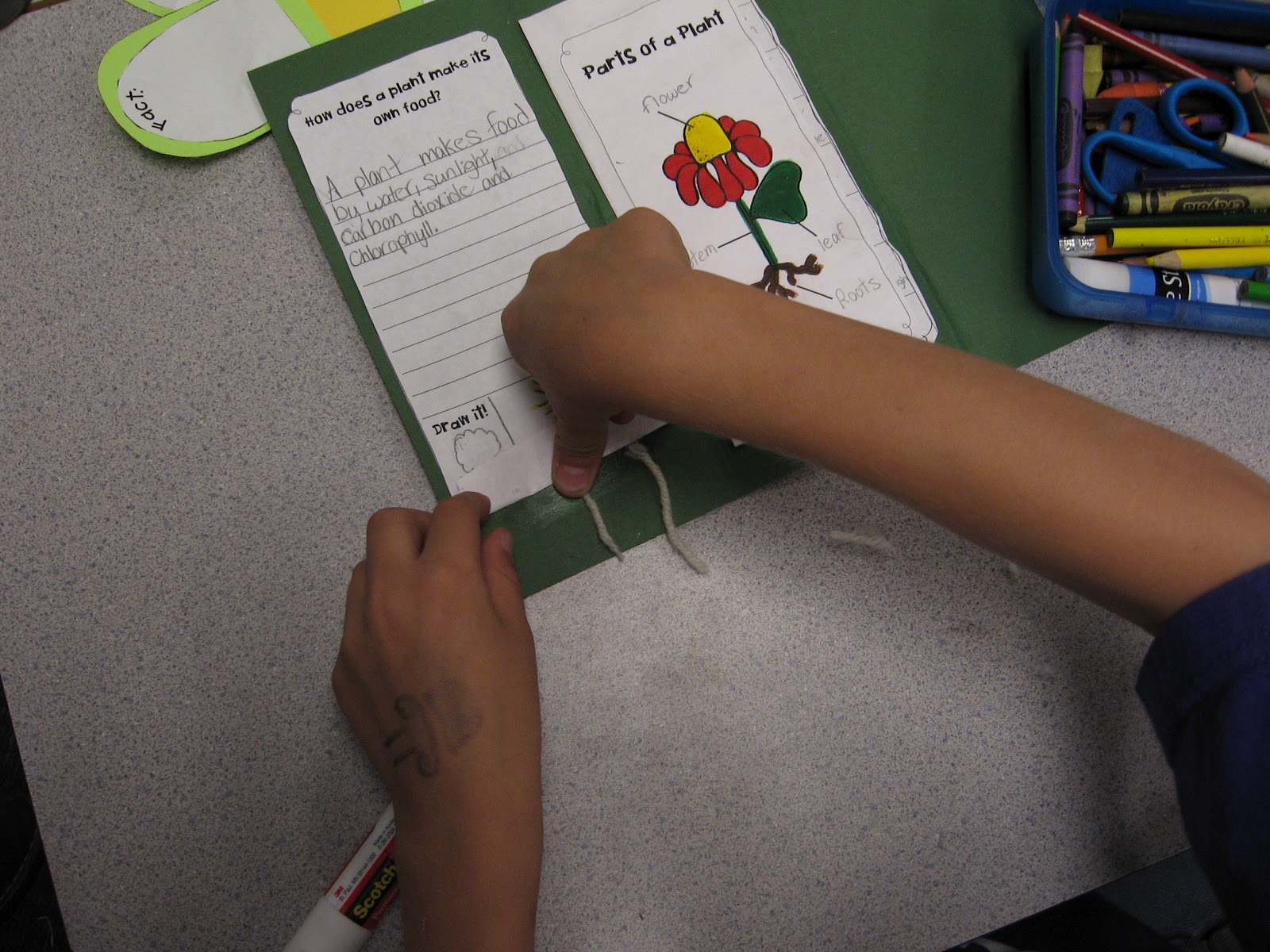
Along the way, students created mini-books with many of the activities to include in our flower foldables. We made mini plant vocabulary books, discussed and wrote about the job of each part of the plant, researched interesting plant facts, did a little informational writing with students explaining how photsynthesis works, the importance of chlorophyll to a plant, and why a leaf changes color in the fall. We saved the mini-books and then assembled our flowers in three parts. We put together the stem section first, gluing in all of the booklets and the roots. Next, we put together the flower section. Students had researched and written their facts in their journals and then transferred them onto the petals of the flower. Finally, we wrote about the job of the leaf and the roots and then attached those sections. I incorporated my reading and writing blocks by having students do the some of these activities during centers and writing time.

I saved this little activity for some Friday afternoon fun and my kids went to town making chlorophyll rubbings! I had everyone bring in some leaves and a metal spoon. We placed leaves between a folded sheet of paper and then rubbed really hard with the spoon…..and Voila! The kids had a ball!
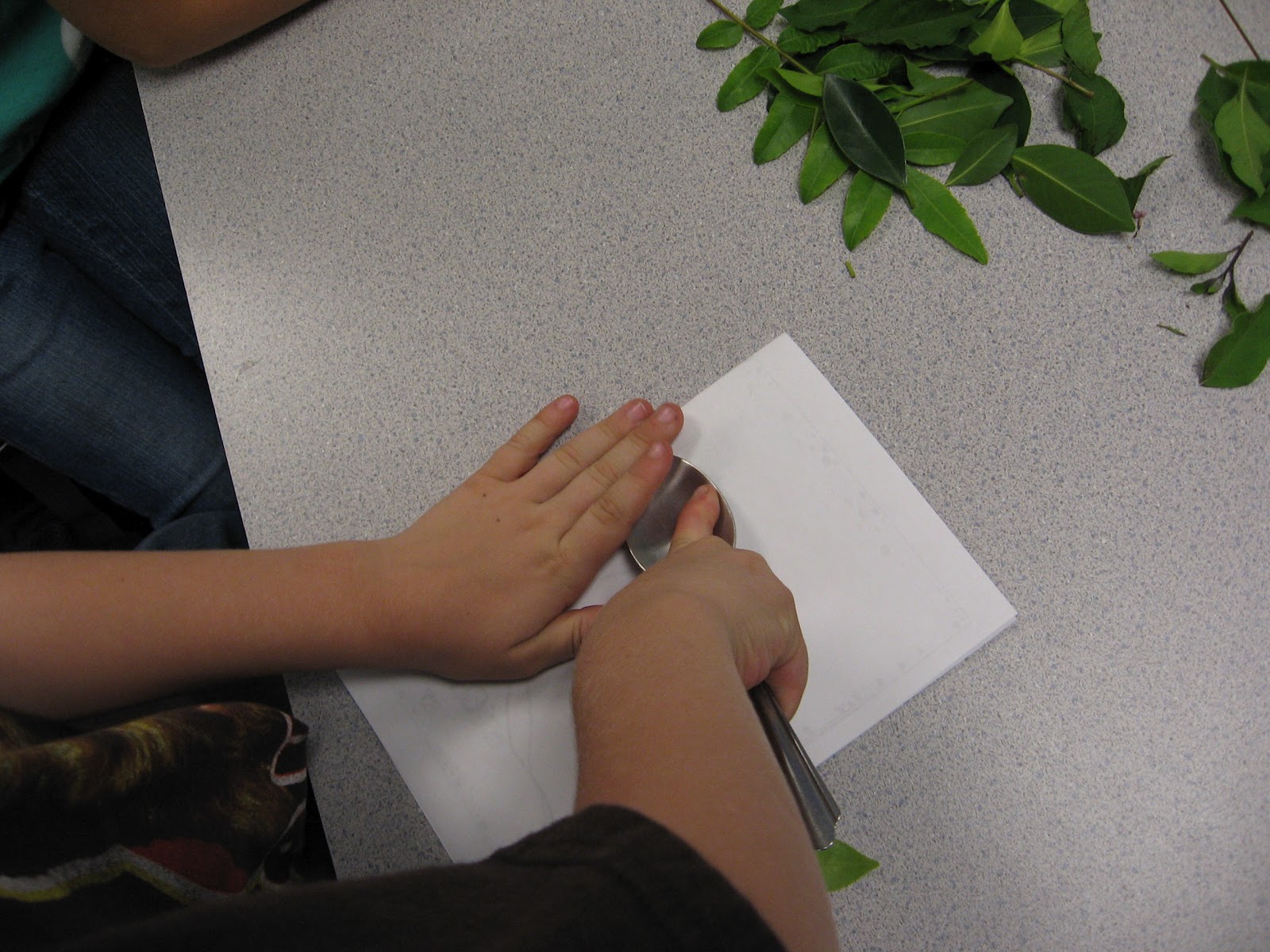
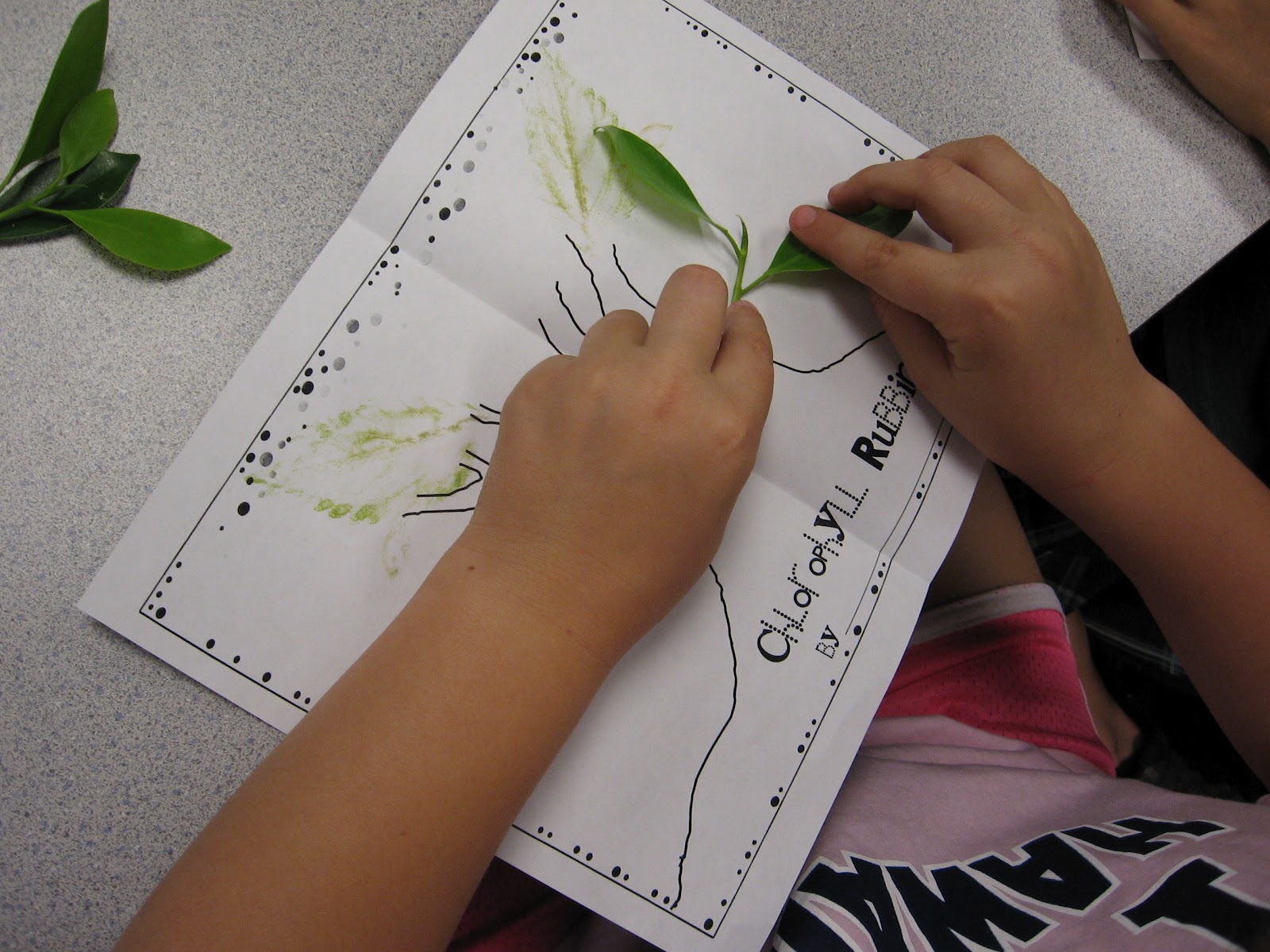
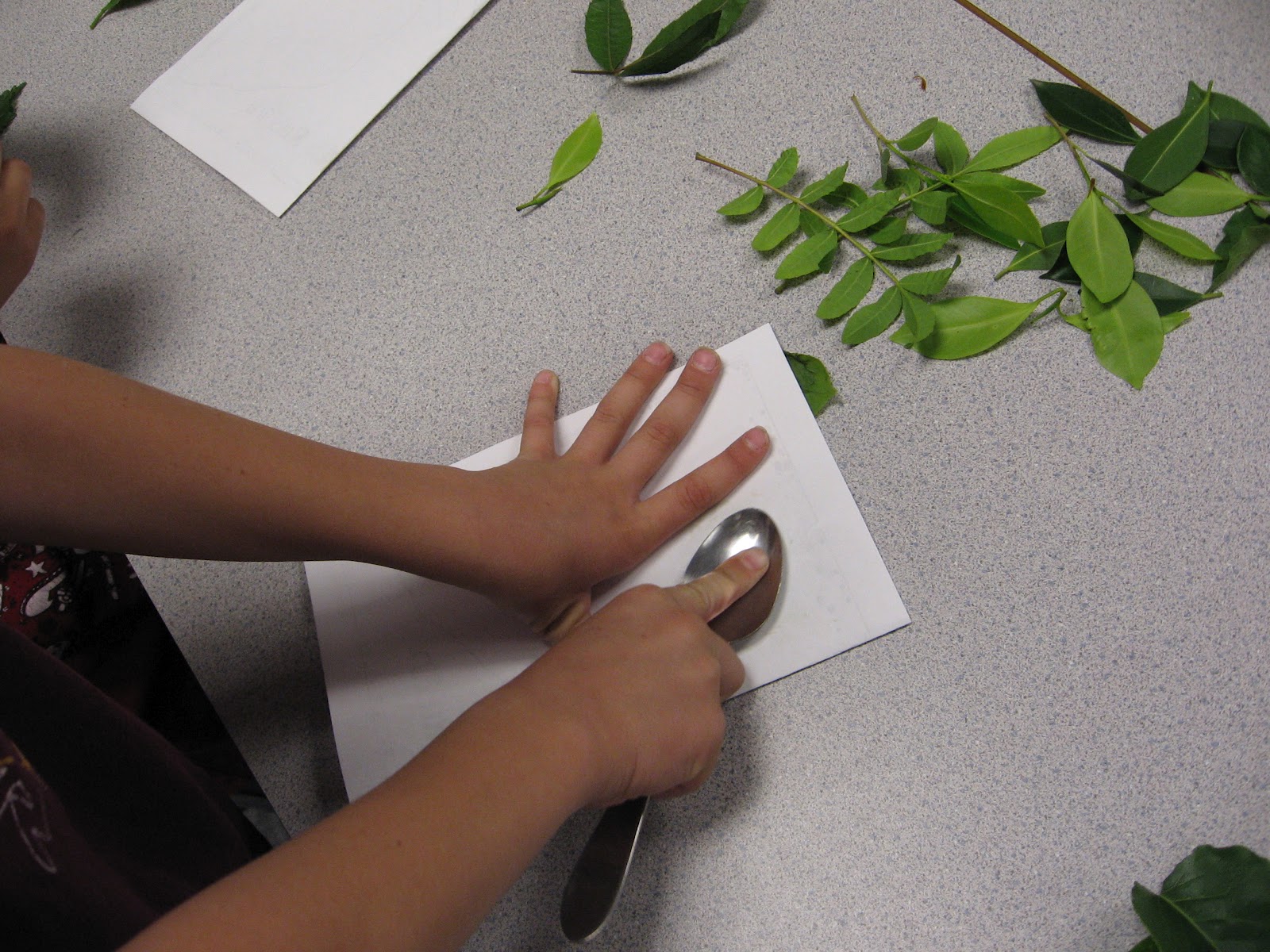
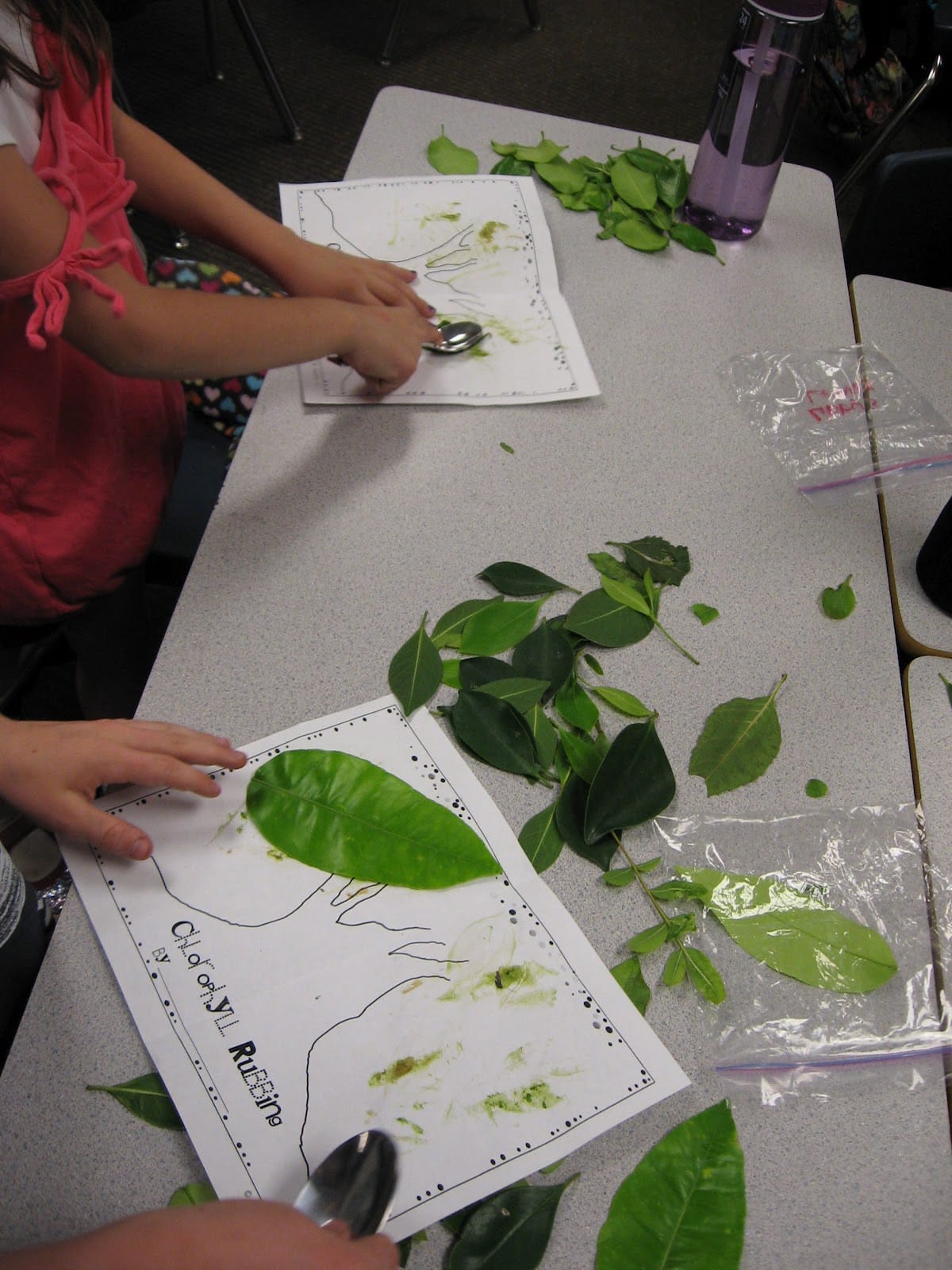
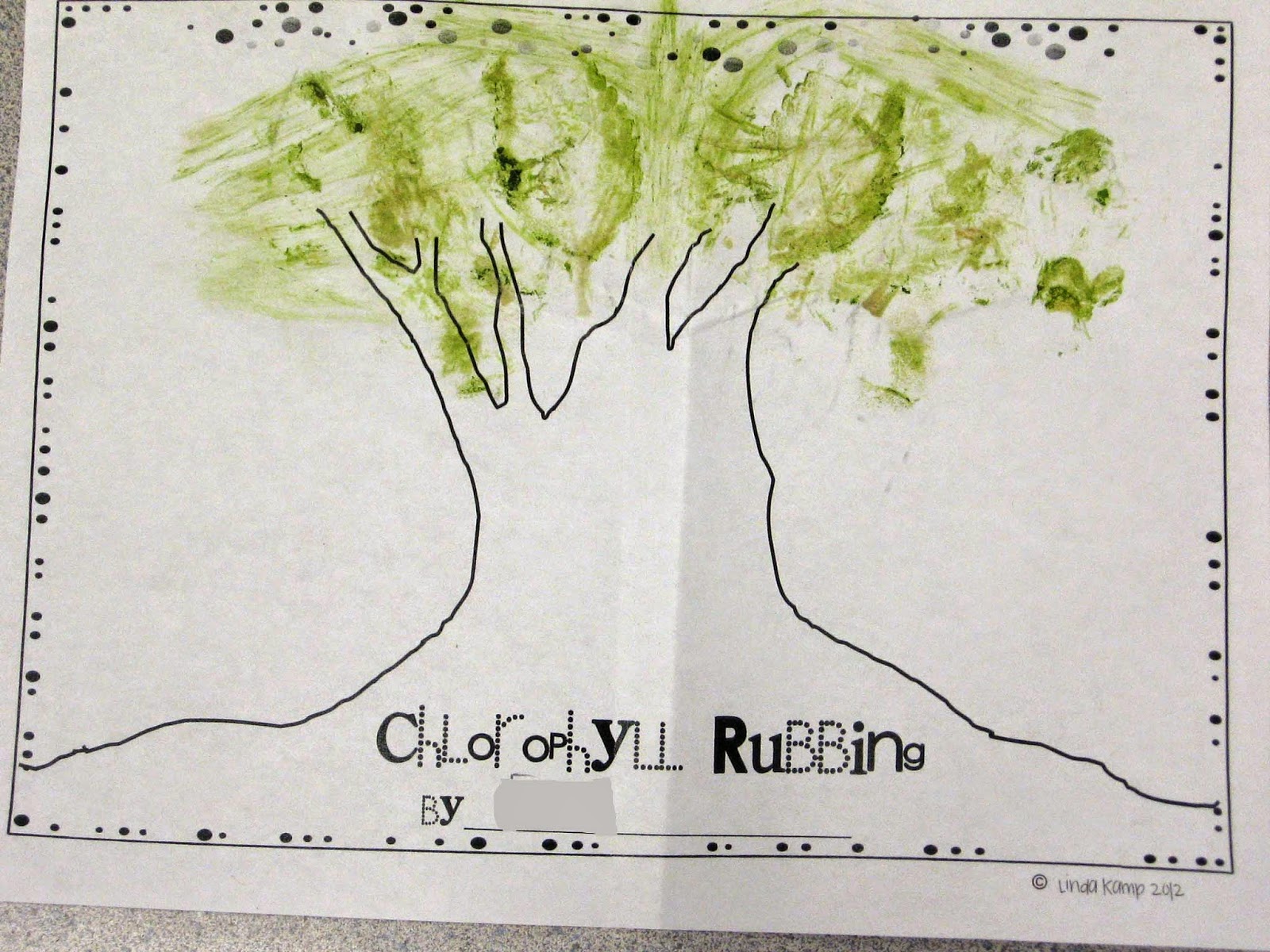
We discovered that some leaves work better than others (glitch #3). Thick, glossy leaves with a slick feel don’t work as well! One of my kiddos, who was getting frustrated after rubbing furiously to no avail, said it best, “Mrs. Kamp, he just won’t give it up!”
We finished our projects just in time for our open house, glitches and all. This is how our bulletin board turned out with a little butterfly haiku to keep our flowers company!

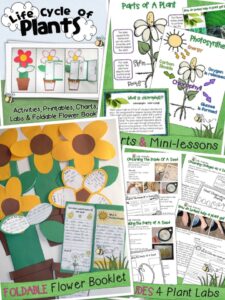

These are just a few of the activities we did in our plant unit. You can find all of this
and much more in my Life Cycle of Plants Unit
and much more in my Life Cycle of Plants Unit
Happy planting, teacher friends!




Leave a Comment