
It’s the end of a frustrating week, and you look around your classroom during center time and see chaos instead of calm. With an endless stream of “What do I do next?” questions, managing small groups while the rest of the class works independently can feel like a high-wire balancing act. But it doesn’t have to be a daily test of your patience. With a few intentional shifts, you can tighten up your center management and turn your literacy centers time into a smoothly running, high-engagement learning time. Let’s dive into five simple ways to shore up your routines, increase independence, and improve your center management!
Be sure to grab all the helpful freebies in this post to use next week!

Tips for Better Center Management
1. Rethink Your Center Routines and Procedures
If even after reteaching and practicing your routines and procedures, they just aren’t working, consider changing them. Is your clean up routine taking more time than you’d like? Do students know where to find supplies and what to do with them at cleanup time? Are students losing or keeping track of their finished and unfinished work?
Keep your center activities organized with free bin labels and free center folder labels, and arrange your materials in a way that allows for easy distribution and clean up. When every material has a dedicated, clearly visible home, students spend less time asking for supplies and more time actively learning.
Establishing airtight, predictable routines helps streamline your overall center management. It’s vital that you break down ALL parts of the literacy centers—including clean-up, material retrieval, manipulatives storage, and rotation paths—so that students thoroughly understand each step. Grab these free phonics activity labels for your bins and free center folders and journal labels.
2. Provide Clear Directions and Time Limits
Independence begins with understanding. Be sure to intentionally teach and model every single step of your center activities before students are left to complete them on their own.
Structure enables students to focus. Setting specific time limits for each literacy center helps maintain a highly structured and efficient classroom rotation system.
3. Regularly Change & Differentiate Center Activities
To keep student engagement high without adding hours to your weekend prep, switch the skill or theme, not the entire activity structure. Keeping the format consistent ensures students can immediately start working rather than spending valuable center time trying to figure out a brand-new set of rules.
Every student learns at a different pace. Ensure your centers accommodate all reading levels by integrating different leveled readers, tiered task cards, and self-checking components so students can work confidently and independently.
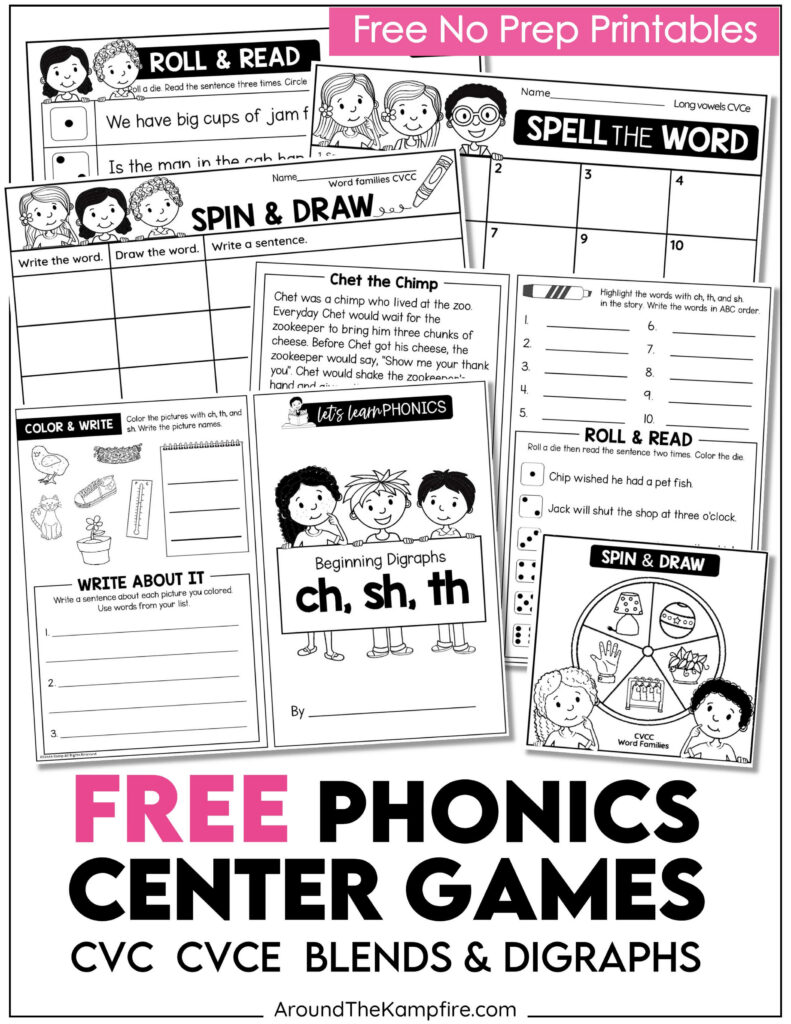
Do you need ready-to-print activities to switch up your skill practice? Download these free phonics centers to use with your students tomorrow!
4. Use a Center Rotations Board
Display a center rotations board on your classroom whiteboard or wall where all students can easily see it. This eliminates the constant question of “Where do I go next?”
Teacher Tip: If you need a tried-and-true layout, the pocket chart set inside this classroom decor bundle makes managing center rotations simple.
5. Ensure Accountability with Exit Tickets
Keep students accountable for their independent work time. I highly recommend using a center checkout system, such as this free centers exit ticket with your centers at the end of every week to check for understanding and have students assess their own progress.
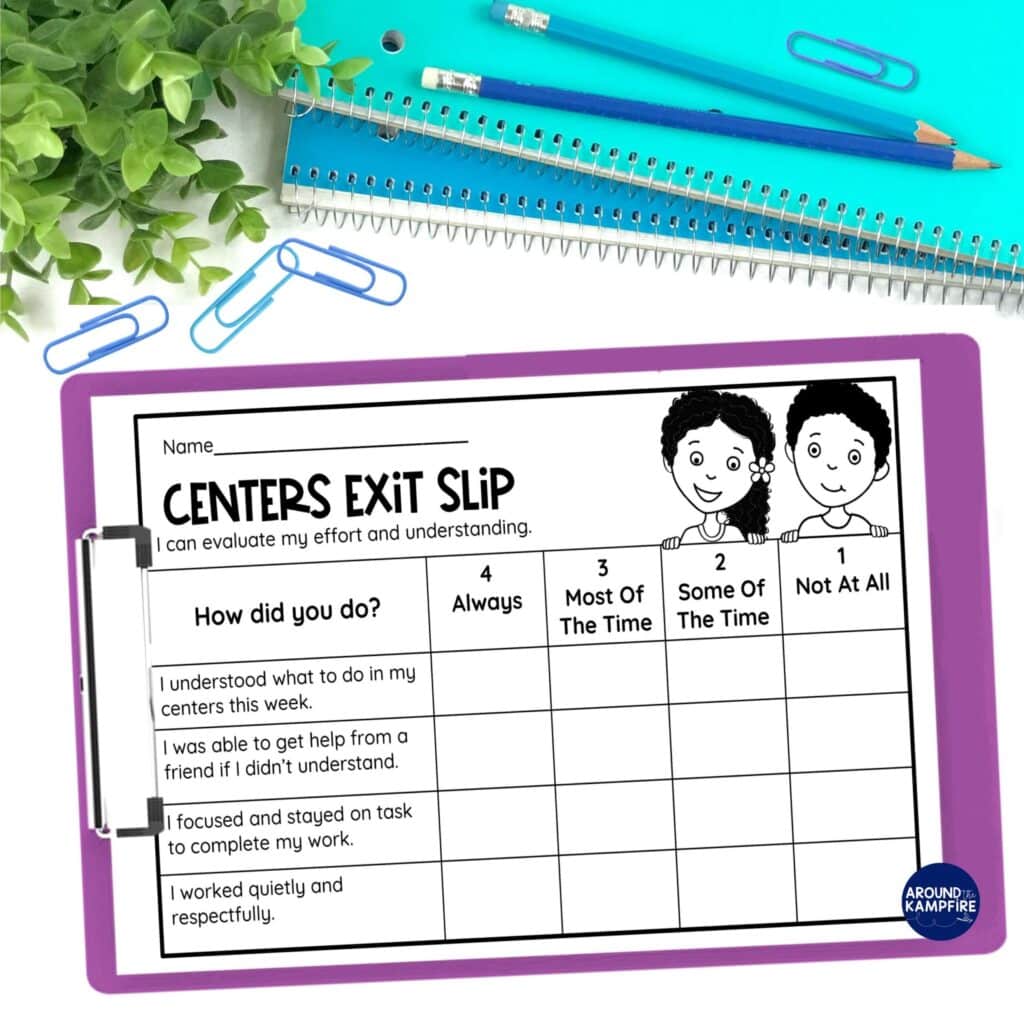
Ready for better centers next week?
If you are looking for consistent, low-prep center activities, check out our Phonics centers and Grammar centers for 2nd grade and 3rd grade that you can easily change out each week to match your targeted skills.
Want to know exactly how to set up and manage your centers from the start?
- Head over to read an in-depth blog article that explains exactly how to start centers at the beginning of the year and all of the critical management decisions I make beforehand.
- For extra strategies on keeping your rotations running smoothly without interruptions, visit this post for how to build student independence during center time.

Be sure to save this post to come back to for tips on center management!







Leave a Comment